

If you have a website or a blog, you probably want people to find it when they search for things on the internet. This is where SEO comes in. It sounds like a complex technical term, but the basic idea is quite simple.
What Is SEO?
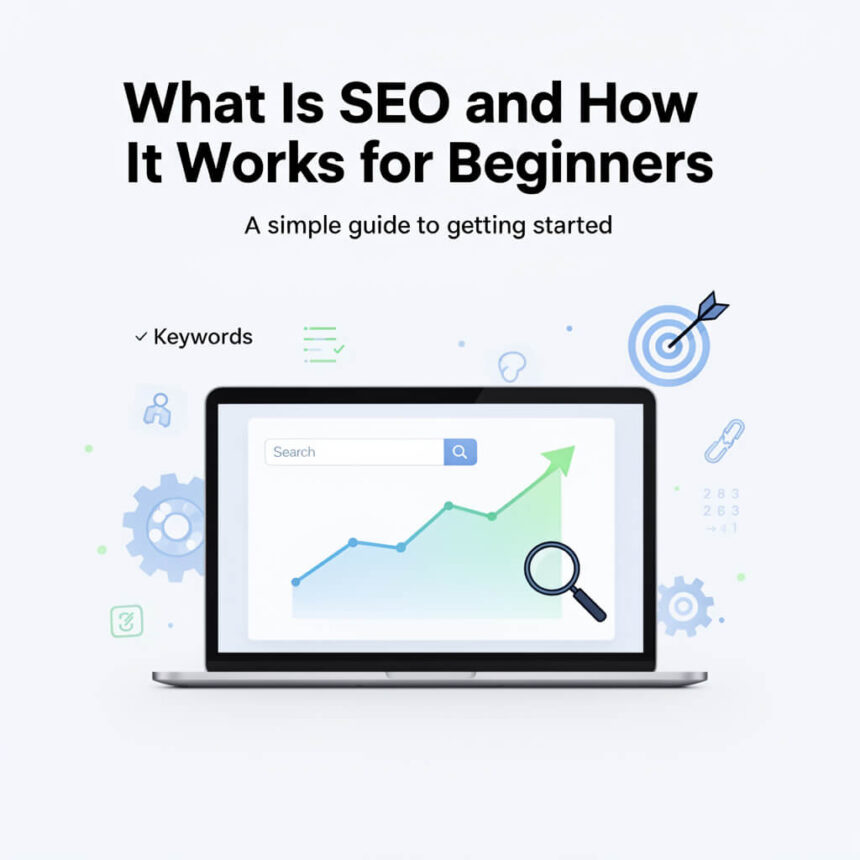
SEO stands for Search Engine Optimization. It is the process of improving your website so that search engines like Google can understand your content better. When your site is optimized, it shows up higher in the search results when people type in specific words or phrases.
Imagine you own a bakery. When someone searches for “best chocolate cake near me,” you want your website to be the first one they see. SEO is the tool that helps you get to that top spot without paying for ads.
How Do Search Engines Work?
To understand SEO, you first need to know how search engines like Google actually work. They follow three main steps to decide which websites to show you.
- Crawling: Search engines send out small programs called “bots” or “spiders” to scour the internet. These bots look for new and updated content on every page they can find.
- Indexing: Once a page is found, the search engine stores it in a giant digital library called an index.
- Ranking: When you type a question into the search bar, the search engine looks through its index to find the most relevant and high quality pages. It then ranks them from best to worst.
The Core Parts of SEO
For a beginner, it is helpful to break SEO down into three main categories.
1. On-Page SEO
This refers to the things you do directly on your website pages to make them more “search engine friendly.”
- Keywords: These are the words and phrases people type into search engines. You should include these naturally in your titles, headings, and throughout your text.
- Content Quality: Google loves helpful and accurate information. If your content answers a user’s question well, you are more likely to rank higher.
- Title Tags and Meta Descriptions: These are the snippets of text that appear in the search results. They should be clear and encourage people to click.
2. Off-Page SEO
This is about building the reputation of your website. It mostly happens away from your site.
- Backlinks: When another website links to your site, it is like a “vote of confidence.” It tells search engines that your content is trustworthy.
- Social Shares: While not a direct ranking factor, having people share your links on social media helps more people find your site.
3. Technical SEO
This involves the “behind the scenes” elements of your website.
- Site Speed: No one likes a slow website. If your page takes too long to load, visitors will leave, and Google might rank you lower.
- Mobile Friendliness: Most people use their phones to browse the web. Your site must look and work great on small screens.
- Security: Using “HTTPS” makes your site secure for visitors, which is a big plus for search engines.
Why Is SEO Important?
SEO is one of the most effective ways to get “organic traffic.” This means visitors find you naturally rather than through paid advertisements.
Because people usually trust the first few results on Google, being at the top can bring you a lot of visitors every single day. The best part is that once you have optimized your site, that traffic is essentially free.
How to Start with SEO
If you are a beginner, do not feel overwhelmed. You can start with these simple steps.
- Write for humans first: Do not just stuff your page with keywords. Write naturally so that your readers enjoy what they are reading.
- Use clear headings: Use “Heading 2” and “Heading 3” tags to organize your thoughts. This makes it easier for both readers and bots to scan your page.
- Be patient: SEO takes time. You might not see results overnight, but if you keep providing value, your rankings will improve.
SEO is a marathon, not a sprint. By focusing on helping your audience and making your site easy to use, you are already halfway to success.