

In the world of the internet, speed is everything. If you have ever clicked on a link and waited for more than a few seconds for the page to load, you probably felt frustrated. You might have even clicked the back button to find a different site.
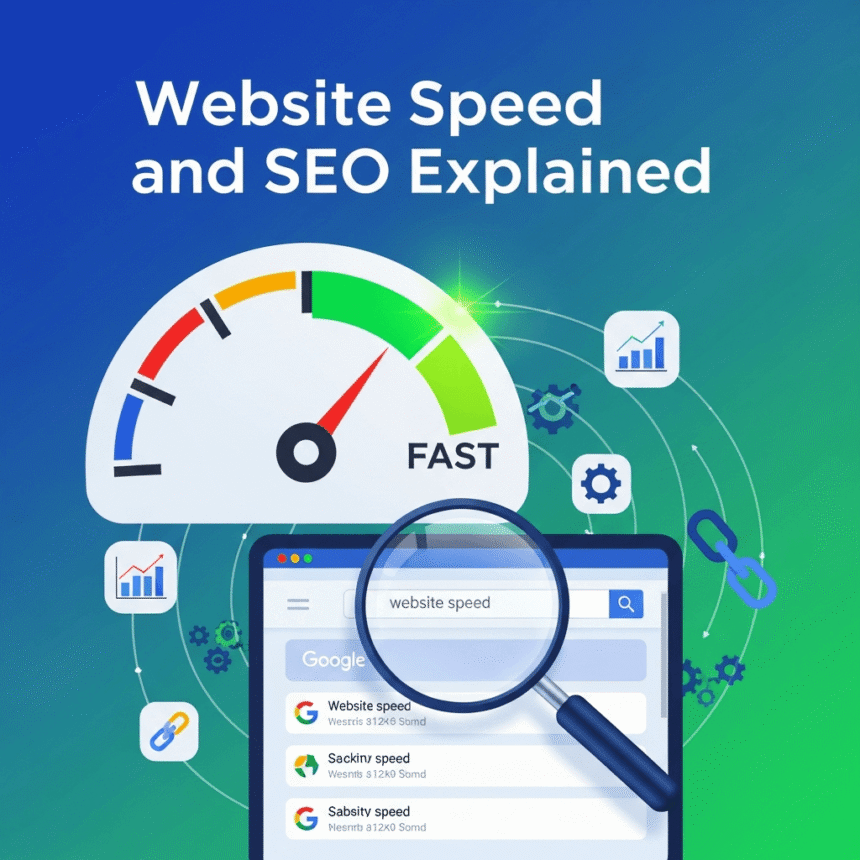
This simple behavior is why website speed is a massive part of Search Engine Optimization or SEO. If you want your website to rank higher and keep your visitors happy, you need to understand how speed affects your growth.
Why Does Speed Matter for SEO?
Search engines like Google want to provide the best possible experience for their users. If a search engine sends a user to a slow website, it reflects poorly on the search engine. Because of this, speed has become an official ranking factor.
When your site loads quickly, search engine bots can crawl your pages more efficiently. If your site is slow, these bots might leave before they index all your content. This means some of your best work might not even show up in search results.
The User Experience Connection
SEO is not just about pleasing computers. It is about pleasing people.
- First Impressions: Your loading speed is the first thing a visitor notices. A fast site feels professional and reliable.
- Bounce Rate: This is the percentage of people who leave your site after viewing only one page. Slow sites have very high bounce rates.
- Conversion Rates: Whether you want people to sign up for a newsletter or buy a product, they are more likely to do it if the process is smooth and fast.
Common Things That Slow Down Your Website
To fix your speed, you first need to know what is causing the delay. Here are the most common culprits.
- Large Image Files: High resolution photos look great, but they contain a lot of data. If they are not compressed, they will take a long time to download.
- Too Many Plugins: If you use a platform like WordPress, it is easy to add too many features. Each plugin adds more code that the browser has to process.
- Poor Hosting: If your web server is weak or overcrowded, your site will be slow no matter how much you optimize it.
- Unnecessary Code: Extra spaces, comments, and long scripts in your website’s code can add up and slow things down.
How to Measure Your Speed
You cannot fix what you cannot measure. There are several free tools you can use to check your performance.
- Google PageSpeed Insights: This tool gives you a score for both mobile and desktop versions of your site. It also gives you specific advice on what to fix.
- GTmetrix: This provides a detailed look at how your site loads and identifies which specific files are taking the most time.
- Pingdom: This is great for testing how fast your site loads from different locations around the world.
Simple Steps to Improve Your Speed
You do not need to be a computer expert to make your site faster. Here are a few simple steps you can take today.
Optimize Your Images
Before you upload an image, use a tool to reduce its file size without losing quality. You can also use modern formats like WebP which are much smaller than traditional JPEGs.
Enable Caching
Caching stores a version of your site on the visitor’s browser. The next time they visit, the site loads almost instantly because the browser does not have to download everything again.
Clean Up Your Plugins
Go through your list of active plugins. If there is something you are not using, delete it. If a plugin is doing a simple task you can do manually, get rid of it.
Use a Content Delivery Network
A CDN is a group of servers spread out across the globe. It delivers your website content to users from the server that is closest to them. This reduces the physical distance data has to travel.
Conclusion
Website speed is no longer an optional feature. It is a vital part of a successful SEO strategy. By focusing on a fast and smooth experience, you tell search engines that your site is high quality. More importantly, you show your visitors that you value their time.
Start by testing your site today and making small changes. Over time, these improvements will lead to better rankings and more happy visitors.