

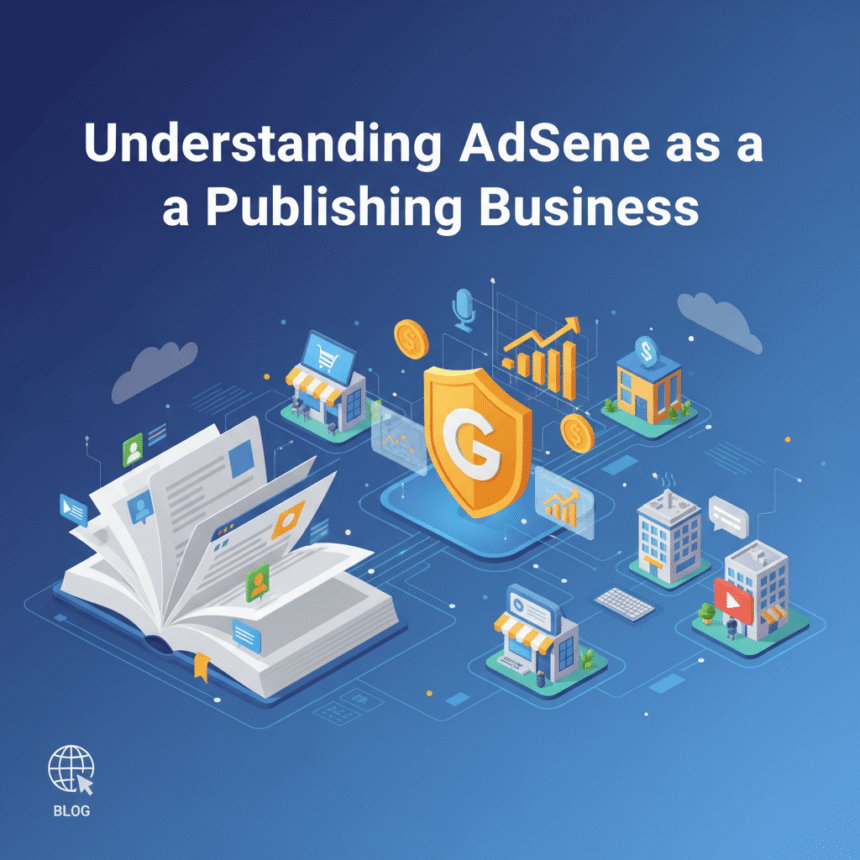

If you run a website or a blog, you have likely heard of the term “ad network.” For many creators, these platforms are the first step toward turning a hobby into a professional venture. However, to truly succeed, you have to stop thinking like a hobbyist and start thinking like a digital publisher.
The Shift from Hobby to Business
Most people start a website because they are passionate about a topic. Whether it is cooking, technology, or travel, the focus is usually on the content. While content is king, a business requires a structure. When you integrate an ad system into your site, you are essentially renting out digital real estate.
In a traditional publishing business, like a newspaper or a magazine, the company sells space to advertisers to reach an audience. Your website works the same way. Every article you write is a product, and the space around that article is your storefront.
How the Ecosystem Works
To manage this business effectively, you need to understand the three main players involved:
The Advertiser: These are companies that want to sell products or services. They are looking for specific audiences who are interested in what they offer.
The Publisher: This is you. You provide the platform and the audience.
The Network: This is the bridge that connects the advertiser to the publisher. It automates the process so you do not have to go out and find individual companies to buy ads on your site.
Quality Over Quantity
In the publishing world, your reputation is built on the quality of your work. High-quality content attracts high-quality visitors. If your articles provide real value, people stay longer and return often. This behavior signals to the network that your site is a premium place for advertisements.
Focusing on “evergreen” content is a smart business move. These are articles that remain relevant for years rather than just a few days. This creates a steady stream of traffic, which leads to more consistent revenue over time.
User Experience is Key
A common mistake new publishers make is over-cluttering their site with ads. If a reader cannot find the information they came for because of too many pop-ups or banners, they will leave. In the business of publishing, losing a reader is losing a customer.
A clean, fast-loading website ensures that your audience has a good experience. When readers are happy, they engage more with the page, which naturally helps your business grow.
Tracking Your Growth
Every successful business tracks its performance. You should regularly look at which topics are performing well and which ones are not. By understanding what your audience wants, you can produce more of that specific content. This data-driven approach allows you to scale your publishing business effectively.
By treating your site as a professional publication, you move away from “hoping” for traffic and move toward “building” an asset.