

In the world of digital marketing, everyone wants to reach the top of search engine results. You might have heard about keywords, backlinks, and site speed, but there is another topic that often causes a lot of debate: social signals.
If you are wondering how your Facebook likes or Twitter shares affect your website ranking, this guide will break it down in simple terms.
What are Social Signals?
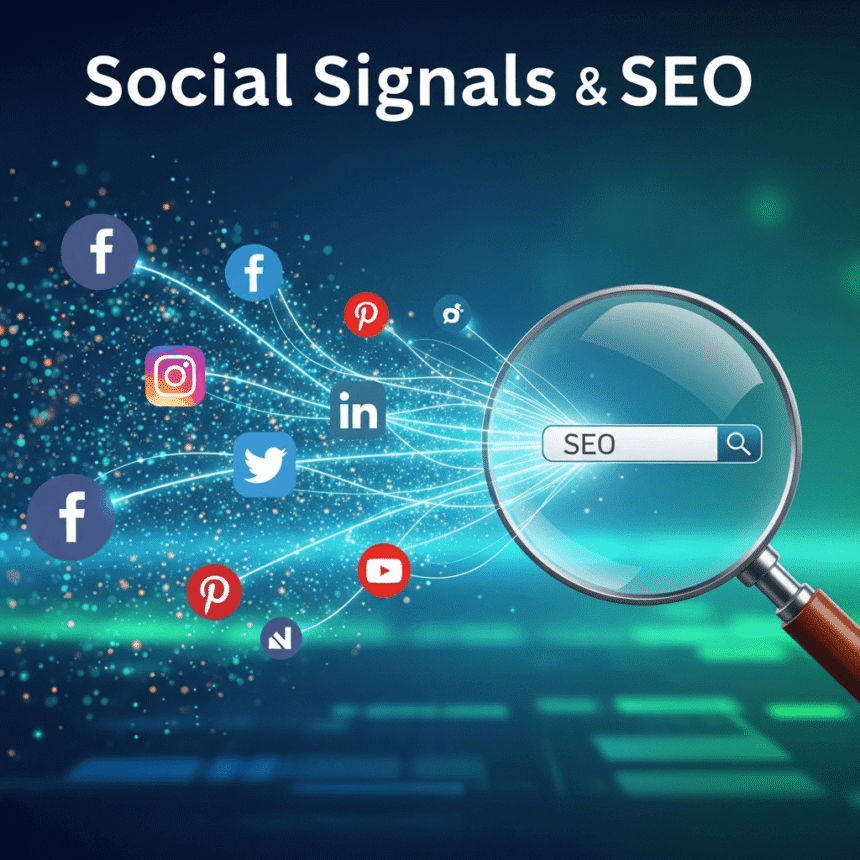
Social signals refer to the overall social media visibility of a webpage. Think of them as “votes of confidence” from the community. These signals include:
- The number of times a link is shared.
- Likes and reactions on posts.
- The total number of followers or fans a brand has.
- Comments on social media posts that link back to your site.
When many people interact with your content on social platforms, it sends a message that your content is valuable and interesting.
Do Social Signals Directly Impact Rankings?
This is where things get interesting. Major search engines have often stated that social signals are not a direct ranking factor. This means that getting 100 likes on a photo won’t automatically move you from page two to page one.
However, even if they aren’t a direct factor, they have a massive indirect impact on your SEO. Here is how that works.
1. Increased Content Distribution
When you share a blog post on social media and people resharing it, your content reaches a much wider audience. The more people who see your content, the higher the chance that someone will link to it from their own blog or website. These “backlinks” are a major ranking factor.
2. Improved Brand Awareness
Social media helps people recognize your brand. If someone sees your helpful posts on LinkedIn or Instagram, they are more likely to click on your website when they see it in search results later. This improves your click-through rate, which tells search engines your site is relevant.
3. Faster Indexing
Search engines use bots to find new content. If a link is being shared rapidly across social networks, search engine bots might find and “index” that page much faster than if it had no social activity at all.
4. Building Trust and Authority
A strong social presence makes your business look legitimate. If a user finds your site through a search but sees you have no social media activity, they might hesitate to trust you. High engagement shows that you are an active leader in your field.
How to Improve Your Social Signals
You do not need to be a social media expert to make this work for you. Here are a few simple steps to get started:
- Make Sharing Easy: Add “Share” buttons to the top or bottom of your blog posts. If it takes too much effort to share, people simply won’t do it.
- Create Visual Content: People are more likely to share posts that include high-quality images, infographics, or short videos.
- Ask for Engagement: It is okay to end your posts with a question or a request like, “If you found this helpful, feel free to share it with a friend.”
- Be Consistent: You don’t have to be on every platform. Pick one or two where your audience hangs out and post regularly.
Summary
While social signals might not be a “secret button” that boosts your SEO overnight, they are a vital part of a modern digital strategy. They drive traffic, build brand loyalty, and lead to the types of links that search engines love.
By focusing on creating content that people actually want to talk about and share, you are setting your website up for long-term success.