

In the fast-moving world of digital publishing, keeping a visitor on your page is only half the battle. The other half is making sure the space on that page works as hard as possible for you. Traditionally, many site owners used a simple timer to swap out ads. They might set an ad to refresh every 30 or 60 seconds regardless of what the user was doing.
Today, those “dumb” timers are being replaced by smart, AI-driven strategies. Using Artificial Intelligence to manage when and how ads refresh is no longer a luxury—it is a necessity for anyone wanting to balance high revenue with a great user experience.
The Problem with Simple Timers
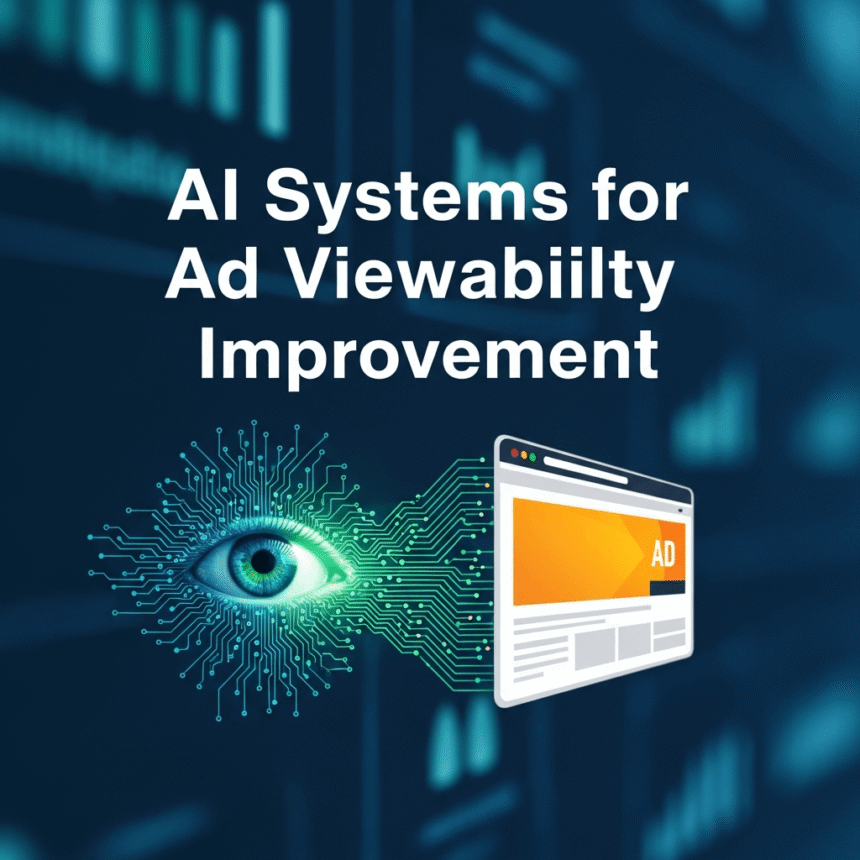
Basic ad refreshing has a few major flaws. If an ad refreshes while a user is at the bottom of a long article and the ad is at the top, that new impression is essentially “invisible.” Advertisers don’t like paying for ads that no longer have a pair of eyes on them.
Furthermore, refreshing ads too quickly can slow down your website or annoy your readers with constant flickering. AI solves these problems by looking at “Active Exposure Time” rather than just a ticking clock.
How AI Makes Ad Refresh “Smart”
AI doesn’t just watch the clock; it watches the user. Here are the core signals that modern AI systems use to decide when to refresh an ad:
Viewability: The AI checks if the ad unit is actually on the screen. If it is buried in a sidebar that the user hasn’t scrolled to yet, the refresh stays paused.
User Activity: Smart systems track cursor movement, scrolling, and typing. If a user walks away from their computer to grab a coffee, the AI stops the refresh cycle to save resources and protect ad quality.
Engagement Triggers: Instead of just time, AI can trigger a refresh after a specific action, such as when a user finishes a video or clicks to the next slide in a gallery.
Key Strategies for Success
If you are looking to implement smart ad refresh using AI, consider these three specific approaches:
1. Dynamic Thresholds
Not every page on your site is the same. A short news snippet might only need one ad cycle, while a 2,000-word guide could support several. AI can analyze the content length and average “dwell time” to set custom refresh intervals for every individual page.
2. Predictive Performance
Advanced AI models can predict when a user is most likely to click or engage. By timing the refresh to occur right before a predicted peak in attention, you maximize the value of that new ad.
3. Audience Segmentation
Different users have different habits. AI can group your visitors based on their behavior. For example, “power readers” who stay for ten minutes might see a slower, more premium refresh rate, while “skimmers” who leave quickly might get a more frequent update to capture value before they exit.
Balancing Revenue and User Experience
The biggest fear with ad refreshing is “ad fatigue.” If a reader sees the same space changing too often, they might install an ad blocker or leave the site entirely.
AI helps prevent this by setting “frequency caps.” A smart system knows when to stop. If a user has been on a page for five minutes, the AI might decide that four refreshes are plenty and stop there to preserve the aesthetic quality of the page. This keeps the “viewability” scores high, which makes your ad space more valuable to premium advertisers in the long run.
Moving Toward the Future
Smart ad refresh is about moving from quantity to quality. By using AI to ensure that every new ad served is actually seen by a human being who is actively engaged, you build a more sustainable business. You aren’t just “spinning a wheel” to get more numbers; you are providing a better platform for both your readers and your partners.