


In today’s digital world, most people browse the internet using their smartphones. If your website is not easy to use on a small screen, you are likely missing out on a lot of revenue. Mobile optimization is no longer just a “nice to have” feature; it is a necessity for anyone looking to grow their online income.
When a site is optimized for mobile, visitors stay longer, read more content, and interact with the page more frequently. All of these factors lead to better performance for your advertisements.
Why Speed is Your Best Friend
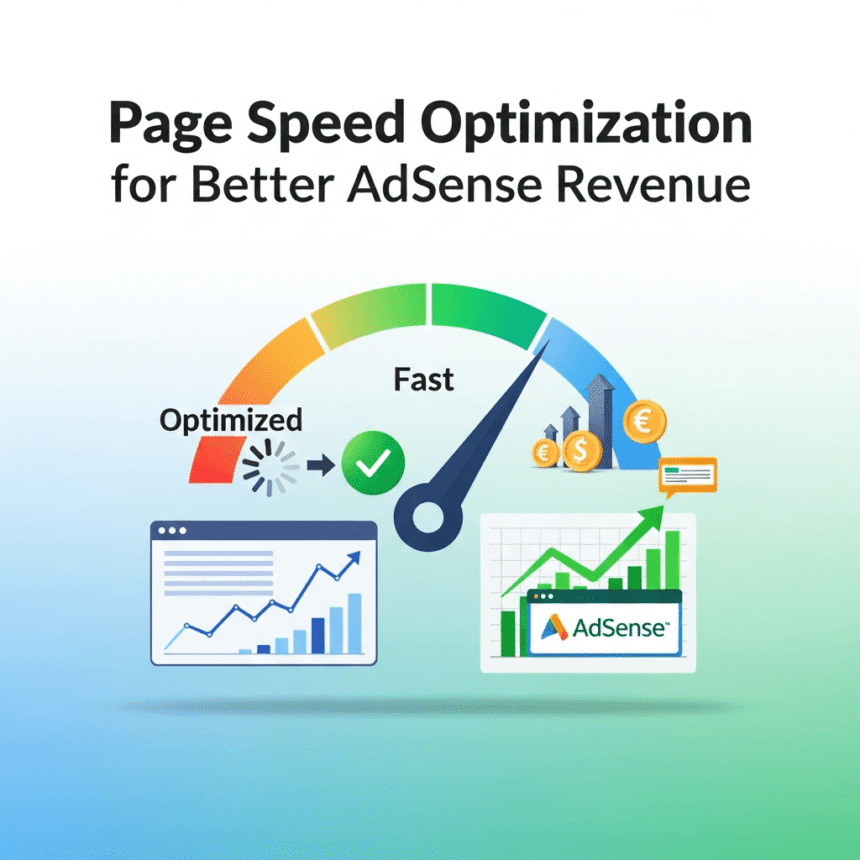
Speed is the most critical part of the mobile experience. Research shows that if a page takes longer than three seconds to load, more than half of the visitors will leave before they even see your content.
If a user leaves your site because it is slow, they never get a chance to see your ads. By making your site faster, you ensure that your ads actually load and have a chance to be seen. You can improve speed by:
Compressing images: Large image files take a long time to download on mobile data.
Using a clean theme: Avoid heavy plugins or complicated designs that slow down your server.
Minimizing code: Keep your website files small so they transfer quickly over the air.
The Power of Responsive Design
Responsive design means your website automatically changes its layout to fit the screen size of the device being used. Whether someone is using a tiny phone or a large tablet, the text should be easy to read and the buttons should be easy to click.
On mobile, “thumb-friendly” design is key. This means placing important links and buttons where they can be reached easily with one hand. When users find it easy to navigate your site, they are more likely to click through to other pages, increasing your total ad views.
Ad Placement for Small Screens
On a desktop, you have plenty of room to place ads on the sides of your content. On mobile, that space disappears. You have to be more strategic.
Placing ads within the content (between paragraphs) usually works best on mobile because that is where the reader’s eyes are focused. However, you must be careful not to overdo it. If there are too many ads, the user might get frustrated and leave. A good balance between helpful content and visible ads is the secret to long-term success.
Improving User Experience (UX)
A happy visitor is a valuable visitor. If your site has pop-ups that cover the whole screen or tiny text that requires zooming, people will get annoyed. Google rewards sites that offer a great user experience by sending them more traffic.
Focus on clear fonts, plenty of white space, and a simple menu. When your site feels professional and easy to use, it builds trust. Trust leads to higher engagement, which naturally leads to higher earnings.