


If you have ever felt like your blog posts are disappearing into a void, you are not alone. Many creators focus on short, popular terms and wonder why they cannot reach the first page of search results. The secret to changing that often lies in long-form keywords.
What are Long-Form Keywords?
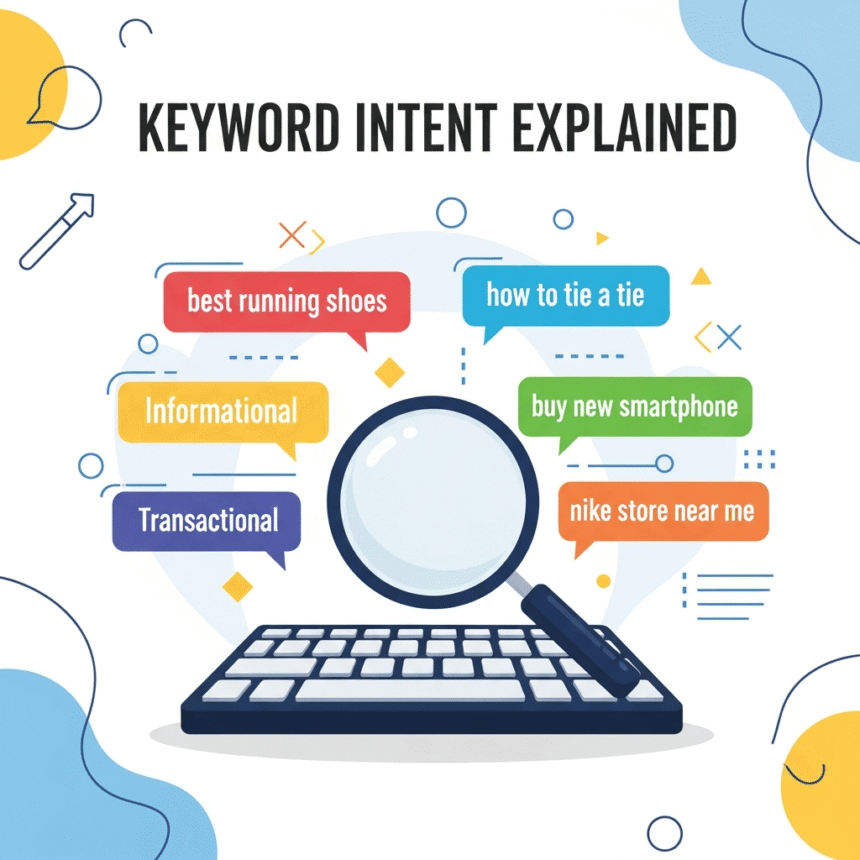
Long-form keywords, often called long-tail keywords, are descriptive phrases that users type into search engines. Instead of searching for “shoes,” a user might type “best running shoes for flat feet.”
While the word “shoes” gets millions of searches, the competition is nearly impossible for most websites. The longer phrase has fewer searches, but the people typing it know exactly what they want.
Why They Drive Better Results
Focusing on these specific phrases is one of the smartest moves you can make for your site. Here is why:
Lower Competition: Fewer websites are trying to rank for highly specific phrases. This makes it easier for you to claim a top spot.
Higher Intent: When someone searches for “how to fix a leaky kitchen faucet,” they are looking for a specific solution. If your post provides that solution, they are much more likely to stay on your page.
Better Conversion: Because the search is specific, the visitors you get are more likely to take action, whether that is signing up for a newsletter or buying a product.
How to Find the Right Keywords
You do not need expensive tools to find these gems. You can start by using the search bar itself.
Use Autocomplete
Start typing a broad topic into a search engine. The suggestions that drop down are based on real things people are searching for right now. Those suggestions are often perfect long-form keywords.
Look at “People Also Ask”
Most search result pages have a box labeled “People Also Ask.” These are gold mines for blog titles. Each question is a specific concern that your audience has.
Use Forums
Sites like Reddit or niche forums are great places to see how people naturally talk. Look for recurring questions. If people are asking it on a forum, they are likely searching for it too.
How to Use Them in Your Content
Once you have your keywords, you need to use them naturally. Search engines are smart enough to know when you are just “stuffing” words into a page.
The Title: Put your main long-form keyword in the headline.
The Introduction: Mention the phrase early to let readers know they are in the right place.
Subheadings: Use variations of the keyword in your headers to help organize the post.
The Answer: Ensure your content actually answers the specific intent of the keyword.
The Power of Specificity
Think of your website like a shop in a massive city. If you just say you sell “food,” you are competing with every grocery store and restaurant in town. If you say you sell “organic gluten free sourdough bread,” you will attract the exact group of people who are looking for that specific item.
Long-form keywords work the same way. They help the right people find you in a crowded digital world. By building your content around these specific phrases, you create a library of helpful resources that will bring in steady traffic over time.