
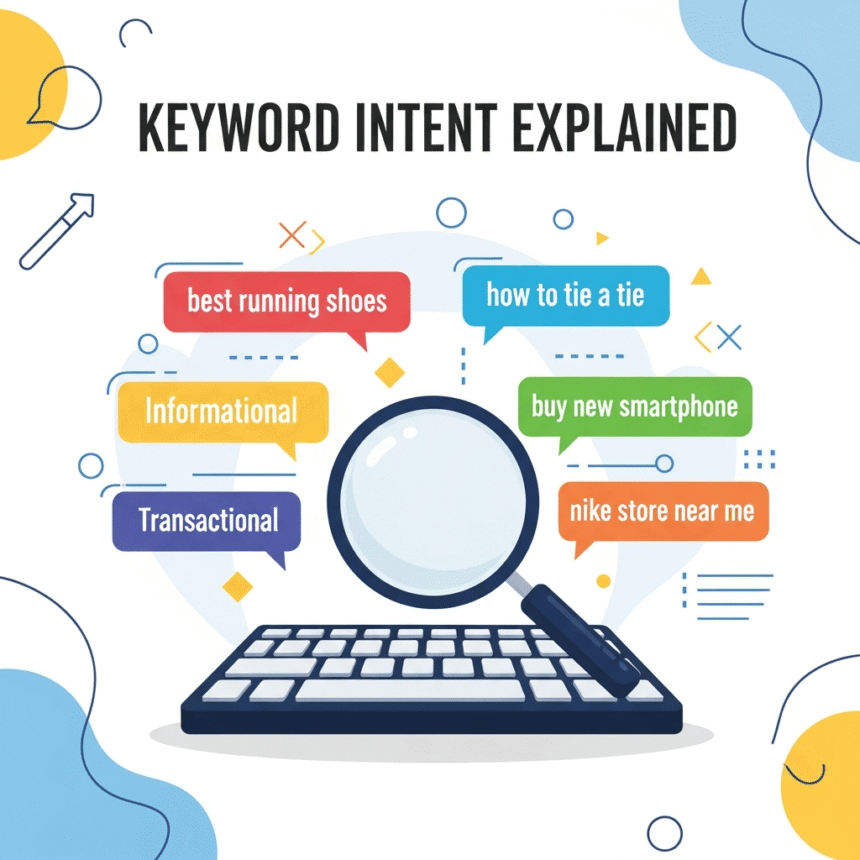

If you want to understand why some websites succeed while others fail, you have to look past the words people type into search engines. You need to look at the why behind the search. This is what we call keyword intent.
Understanding intent is the “secret sauce” of digital marketing. It is the difference between attracting a random visitor who leaves immediately and attracting a loyal customer who loves what you do.
What is Keyword Intent?
Keyword intent, also known as search intent, is the primary goal a person has when typing a query into a search engine. Search engines like Google have become very smart at figuring this out. They don’t just look for matching words; they try to provide the exact type of content the user is looking for.
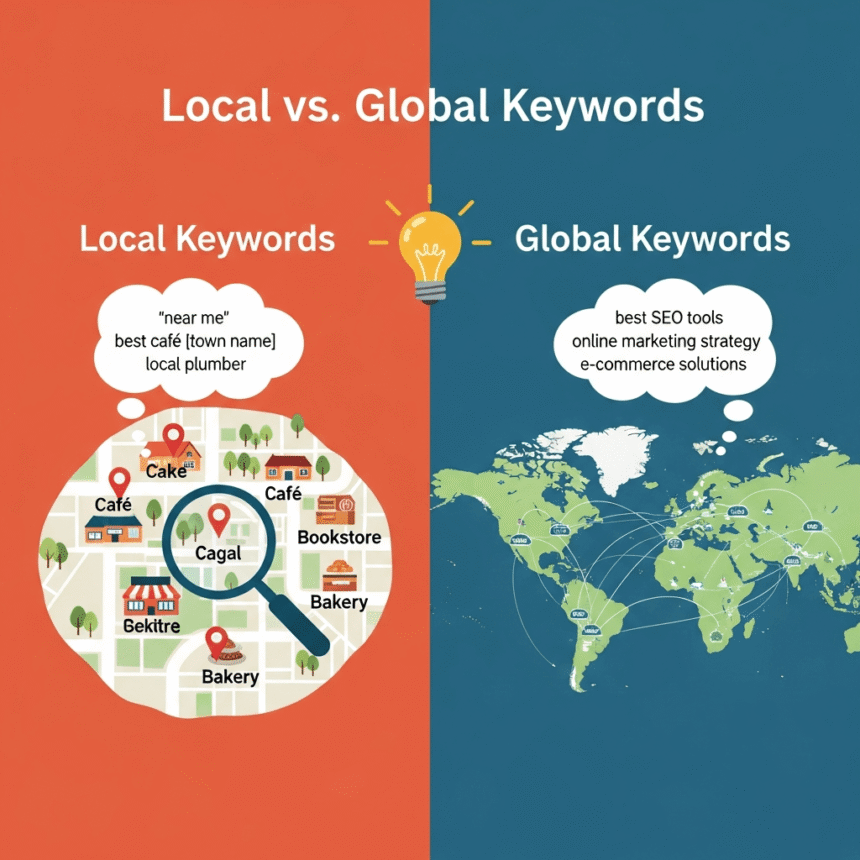
If you search for “how to bake a cake,” you want instructions. If you search for “bakery near me,” you want a physical location. Even though both searches contain the word “cake,” the intent is completely different.
The Four Main Types of Intent
To keep things simple, we generally break keyword intent down into four main categories.
1. Informational Intent
The user is looking for knowledge. They have a specific question or want to learn more about a broad topic.
Examples: “What is the capital of France?” or “How do plants grow?”
Typical Words: How, what, who, guide, tutorial, ideas.
2. Navigational Intent
The user wants to go to a specific website or physical location. They already know where they want to go; they are just using the search engine as a shortcut.
Examples: “Facebook login,” “Nike official site,” or “Gmail.”
Typical Words: Brand names, product names, “login,” “contact.”
3. Commercial Intent
The user is thinking about buying something in the future but hasn’t made up their mind yet. They are doing research, comparing options, and looking for reviews.
Examples: “Best running shoes 2026,” “iPhone vs Samsung,” or “Top rated blenders.”
Typical Words: Best, review, top, vs, comparison.
4. Transactional Intent
The user is ready to buy. They have finished their research and are looking for a place to make the purchase right now.
Examples: “Buy MacBook Pro,” “Cheap flights to London,” or “Pizza delivery discount code.”
Typical Words: Buy, price, coupon, discount, shipping.
Why Does This Matter for Your Blog?
If you write a long, educational guide for a keyword that has “transactional” intent, you will likely struggle to rank. Why? Because the search engine knows the user wants a checkout page, not a history lesson.
By matching your content to the intent, you provide a better experience. This leads to longer visit times, more shares, and ultimately, more success for your website.
How to Identify Intent Fast
The easiest way to find the intent of a keyword is to actually search for it yourself. Look at the first page of results:
If you see mostly blog posts and “how-to” guides, it is informational.
If you see product pages and “add to cart” buttons, it is transactional.
If you see “Top 10” lists and comparison tables, it is commercial.
Summary
Keyword intent is about empathy. It is about putting yourself in the shoes of your audience and asking, “What do they really need right now?” When you answer that question correctly, your traffic will naturally grow.