

In today’s digital world, building a website is easier than ever. However, keeping that website safe and making sure people can find it on search engines like Google is a bigger challenge. If you want your site to rank well in 2026, you must understand the link between security and Search Engine Optimization (SEO).
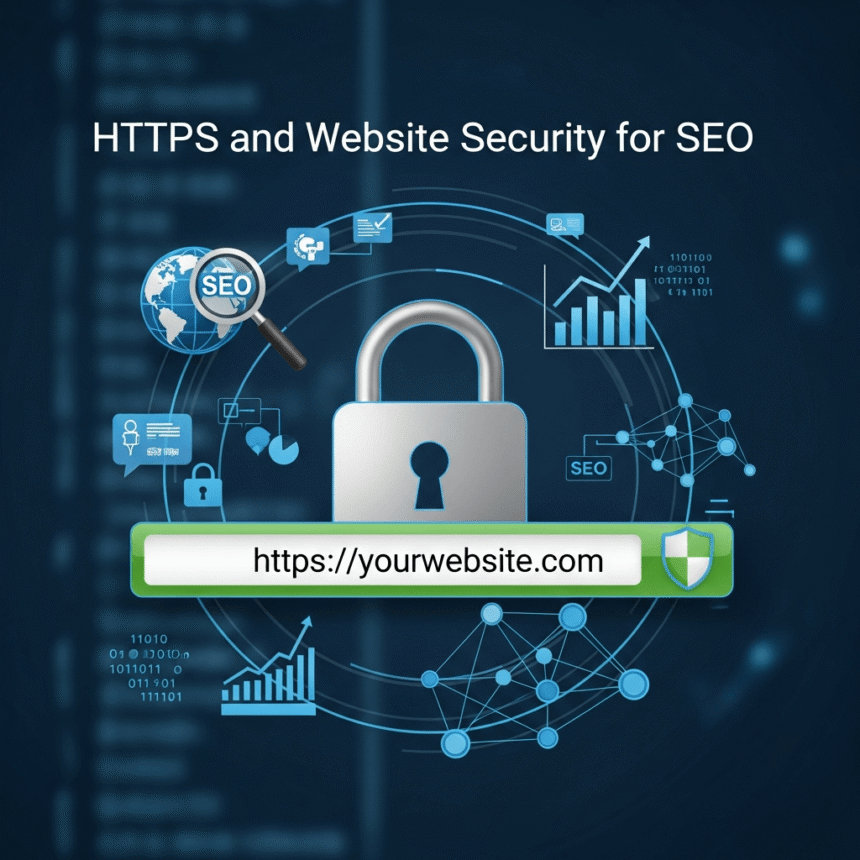
The most basic part of this connection is HTTPS. While it may look like just a few extra letters in your web address, it plays a massive role in how search engines and visitors treat your site.
What is HTTPS?
HTTPS stands for HyperText Transfer Protocol Secure. It is the secure version of HTTP, which is the system used to send data between your web browser and the website you are visiting.
When a site uses HTTPS, all the information moving back and forth is encrypted. This means that if a hacker tries to “listen in” on the connection, they will only see a mess of random characters instead of private data like passwords or credit card numbers.
The Difference Between HTTP and HTTPS
- HTTP (Not Secure): Data is sent in “plain text.” Anyone who intercepts the data can read it easily. Browsers like Chrome will often label these sites as Not Secure.
- HTTPS (Secure): Data is scrambled using an SSL Certificate. This protects the privacy of your visitors and ensures the data has not been changed by someone else.
Why HTTPS Matters for SEO
Search engines want to send their users to high-quality, safe websites. Because of this, security has become a core part of how websites are ranked.
1. It is a Ranking Signal
Google officially confirmed years ago that HTTPS is a ranking signal. This means that if two websites are mostly equal in quality, the one with HTTPS will likely rank higher than the one without it. While it is a “lightweight” signal compared to great content, it is an essential foundation for any modern SEO strategy.
2. Building User Trust
When visitors see a padlock icon in the address bar, they feel safe. If they see a “Not Secure” warning, they are likely to leave your site immediately. In SEO terms, this is called a bounce. High bounce rates tell search engines that your site might not be useful or trustworthy, which can hurt your rankings over time.
3. Better Data in Analytics
HTTPS helps you understand where your traffic is coming from. When a visitor moves from a secure site (HTTPS) to a non-secure site (HTTP), the “referral” data is often lost. It shows up as “Direct” traffic in your reports. By using HTTPS, you keep your data accurate, which helps you make better decisions for your blog.
Website Security Best Practices
Beyond just having HTTPS, general website security is vital for maintaining your SEO health. If your site is hacked, search engines may flag it or remove it from search results entirely to protect users.
Use an SSL Certificate
To get HTTPS, you need an SSL (Secure Sockets Layer) Certificate. Most modern hosting providers offer these for free (such as through Let’s Encrypt). Once installed, your site URL will change from http://yourwebsite.com to https://yourwebsite.com.
Keep Software Updated
Hackers often look for old versions of software to find “holes” they can crawl through. Whether you use WordPress or another system, always keep your themes, plugins, and core software updated to the latest version.
Fix Mixed Content Issues
Sometimes a site has HTTPS, but it still loads images or scripts using an old HTTP link. This creates a “Mixed Content” error. Browsers might still show your site as insecure because of these specific pieces. Using a simple plugin or checking your site with an SEO tool can help you find and fix these links.
Summary of Benefits
| Feature | SEO Impact | User Impact |
| Encryption | Higher ranking potential | Protects personal data |
| Security Badge | Lower bounce rates | Increases trust and sales |
| Data Integrity | Protects against site penalties | Ensures the site loads correctly |
| Referral Data | Accurate marketing insights | Seamless browsing experience |
Making the switch to a secure site is no longer optional. It is a requirement for anyone who wants to grow their online presence. By focusing on HTTPS and basic website security, you protect your hard work and give your visitors the peace of mind they need to keep coming back.