

In the early days of the internet, loading a webpage was like waiting for a slow elevator. You clicked a link, and then you waited for every single image, script, and style sheet to arrive one by one. As websites became more complex, this “one at a time” approach started to cause major slowdowns. This is where HTTP/2 comes in to save the day, especially for websites that rely on digital advertising.
What is HTTP/2?
To understand why HTTP/2 matters, we first need to look at its predecessor, HTTP/1.1. Imagine you are at a coffee shop and you want to order five items. Under the old system, you would order a coffee, wait for it to be made, take it, and then get back in line to order a muffin. You would repeat this for every single item. This created a bottleneck known as “head of line blocking.”
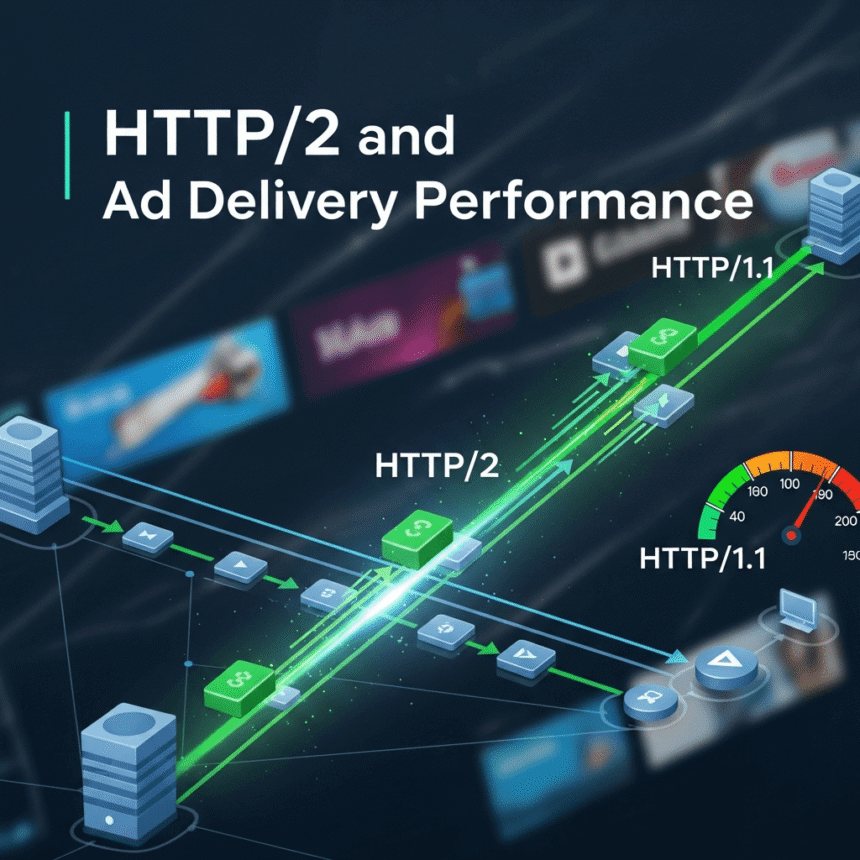
HTTP/2 changed this by introducing multiplexing. Now, you can give the barista your entire list at once. They can work on your coffee, your muffin, and your tea all at the same time and hand them to you as they are ready.
Why Performance Matters for Ads
When a user visits your site, a lot happens behind the scenes in a matter of milliseconds. For an ad to appear, your site has to talk to an ad server, find a relevant ad, and then download the creative content (like an image or a video).
If your site is slow, several bad things happen:
User Bounce: Visitors leave if the page takes more than a few seconds to load.
Ad Ghosting: The user scrolls past the ad slot before the ad actually finishes loading.
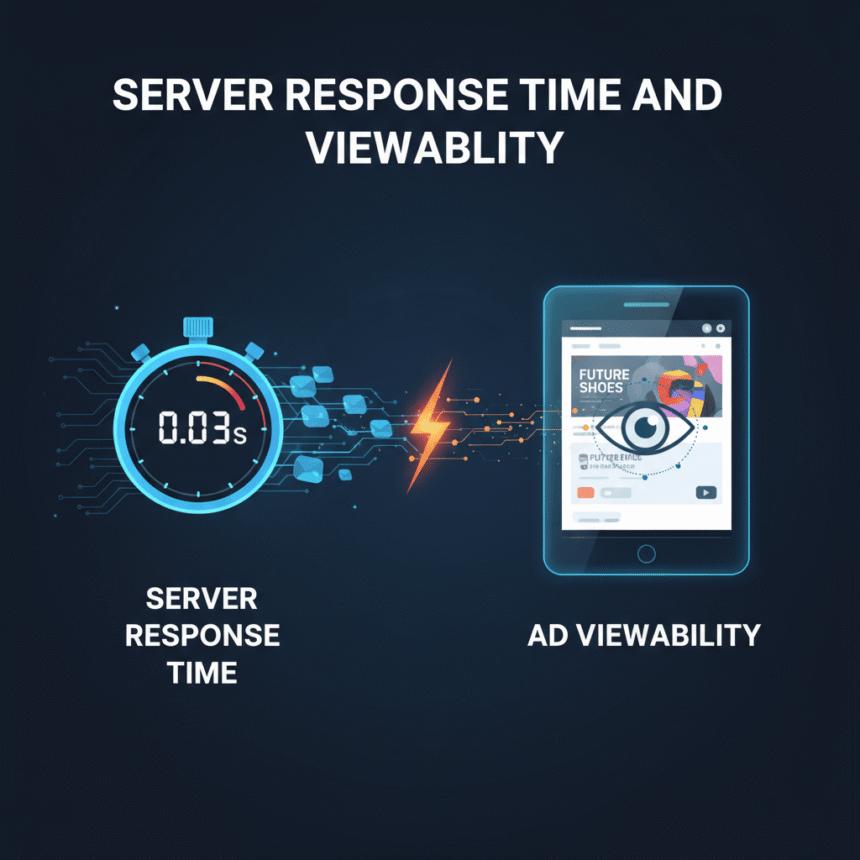
Low Viewability: If the ad never loads, it cannot be seen, which means it provides no value.
How HTTP/2 Speeds Up Ad Delivery
1. Multiplexing
As mentioned, this is the biggest win. Most ads require multiple requests to different servers. With HTTP/2, your browser can send all these requests over a single connection simultaneously. This significantly reduces the time it takes for the ad to “show up” on the screen.
2. Header Compression
Every time a browser talks to a server, it sends “headers” (metadata about the request). In older versions, these headers were sent as plain text and could be quite bulky. HTTP/2 uses a method called HPACK compression. By shrinking the size of these headers, the “paperwork” of the internet moves faster, leaving more bandwidth for the actual ad content.
3. Server Push
This is a proactive feature. If a server knows that a webpage will definitely need a specific script to display an ad, it can “push” that script to the browser before the browser even asks for it. It is like a waiter bringing you water before you have even sat down.
The Impact on User Experience
When ads load efficiently via HTTP/2, they feel like a natural part of the page rather than a laggy interruption. Fast loading times lead to higher engagement because the user isn’t frustrated by a “stuttering” page layout. When the layout remains stable and the content arrives quickly, everyone wins.
Summary of Benefits
| Feature | Benefit for Ads |
| Multiplexing | Loads many ad elements at once without waiting. |
| Binary Protocol | More efficient for computers to read than text, reducing errors. |
| Header Compression | Reduces data overhead, making requests lightning fast. |
| Prioritization | Allows the site to tell the browser which ads are most important to load first. |
By moving your site and your ad delivery systems to HTTP/2, you are not just upgrading your technology. You are ensuring that your visitors have a smooth experience and that your digital content has the best possible chance to be seen.