


Creating a website that looks good and functions well is about more than just aesthetics. It is about how your visitors feel when they browse your pages. This feeling is known as User Experience or UX. If you want your site to perform better and earn more, focusing on the visitor’s journey is the best place to start.
Here is a breakdown of how a better experience for your users leads to better results for your site.
1. Speed is the Foundation
Nobody likes to wait for a slow website. If your page takes more than a few seconds to load, visitors will likely hit the “back” button before they even see your content.
When users leave quickly, your site loses the chance to show them anything. A fast-loading site keeps people around longer. The longer a person stays, the more likely they are to engage with your site and see what you have to offer.
2. Mobile-Friendliness is Essential
Most people browse the internet using their phones. If your website is hard to read on a small screen, or if buttons are too close together, users will get frustrated.
A “responsive” design automatically adjusts your layout to fit any device. When your site is easy to use on a thumb-driven screen, users are more relaxed and more willing to explore your articles. This natural browsing behavior is exactly what helps your site perform at its peak.
3. Clean Layouts and Readability
If your website is cluttered, visitors won’t know where to look. A “wall of text” or too many flashing elements can be overwhelming.
To improve the experience, try the following:
- Use white space: Give your text and images room to breathe.
- Use clear fonts: Make sure your text is large enough to read without zooming in.
- Break up text: Use subheadings and bullet points to make the content easy to scan.
When a page is easy to read, users stay until the end of the article. This increases the time they spend on your site, which is a key indicator of high-quality content.
4. Strategic Placement Over Crowding
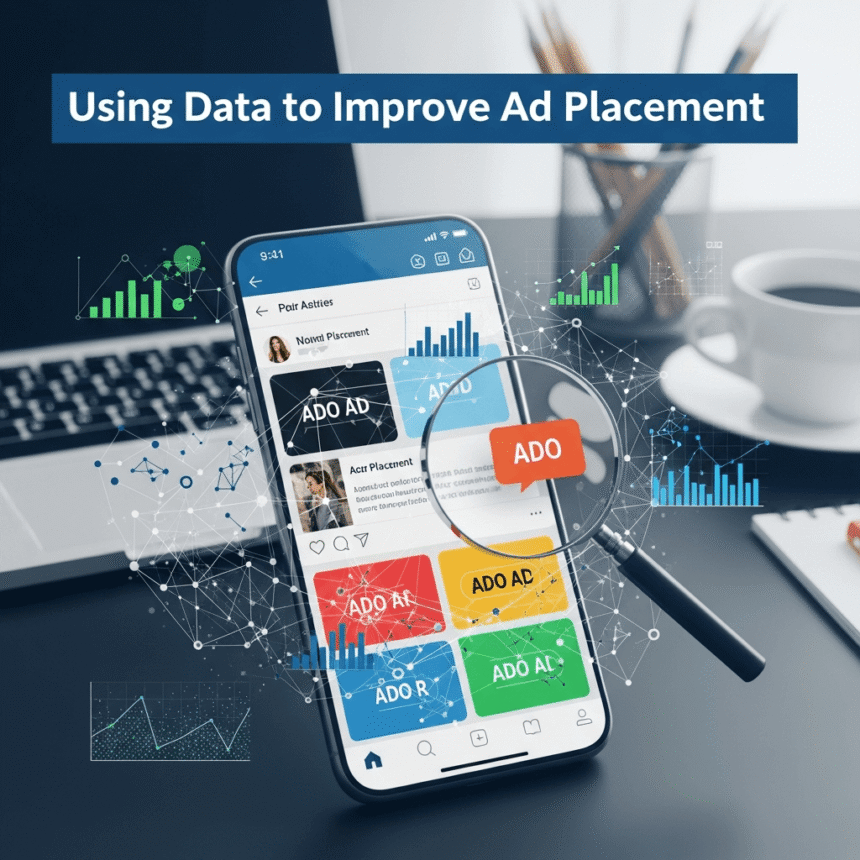
It can be tempting to put as many elements as possible on a single page, but this often backfires. If a user feels bombarded, they might install tools to block parts of your site or simply never return.
The goal is to integrate your features into the natural flow of the content. For example, placing helpful links or features at the end of a section where a user might naturally be looking for “what’s next” is much more effective than interrupting them in the middle of a sentence.
5. Building Trust Through Quality
User experience is also about trust. If your site is full of broken links, blurry images, or misleading titles, users won’t trust your recommendations.
A high-quality site suggests that the owner cares about the audience. When users trust a website, they are more likely to return, share the link with friends, and interact with the site’s features. A loyal audience is the most valuable asset any website owner can have.
Summary
Improving your User Experience is not a one-time task; it is an ongoing process of making your site better for the people who visit it. By focusing on speed, mobile design, and readability, you create an environment where your site can truly thrive.
When the user wins, your website wins too.