
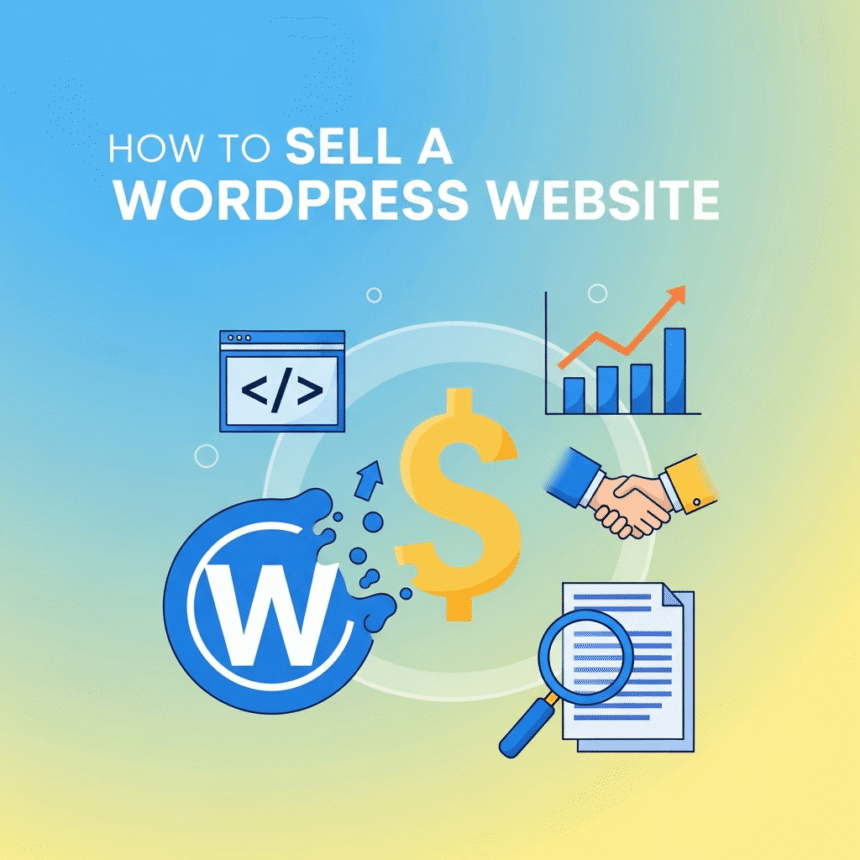

Selling a WordPress website is a lot like selling a house. If you leave dishes in the sink and the grass uncut, you won’t get the best price. But if you polish the details and show off the “curb appeal,” you can walk away with a significant profit.
Whether you are a serial entrepreneur or a hobbyist looking to move on to a new project, selling your site requires preparation. Here is a straightforward guide to help you navigate the process.
1. Get Your House in Order
Before you even list your site for sale, you need to make sure it is running perfectly. Buyers want a smooth transition, not a project that requires immediate repairs.
- Update Everything: Ensure your WordPress core, plugins, and themes are all running the latest versions.
- Clean Up the Code: If you have deactivated plugins or old drafts taking up space, delete them. A lean site performs better.
- Check Your Analytics: Most buyers will want to see at least 6 to 12 months of traffic data. If you don’t have a tracking tool installed, do it now.
- Document Your Systems: Write down how you manage the site. How often do you post? Where do you get your images? Having a “standard operating procedure” makes your site much more valuable.
2. Determine Your Valuation
How much is your website actually worth? While there is no single magic formula, most websites sell for a multiple of their monthly net profit.
Typically, a site might sell for 24 to 48 times its average monthly profit. For example, if your site clears $1,000 per month after all expenses, it could be worth anywhere from $24,000 to $48,000.
Factors that increase your multiplier include:
- High organic search traffic.
- A large, engaged email list.
- Multiple diversified income streams.
- Low maintenance time.
3. Choose the Right Marketplace
You need to decide where you want to list your site. Your choice usually depends on the size of your deal.
- Marketplaces (For Smaller Sites): Platforms like Flippa are great for sites making a few hundred dollars a month. They have a massive audience but require you to do most of the work.
- Curated Brokers (For Established Sites): If your site is making over $1,000 in monthly profit, consider a broker like Empire Flippers or Motion Invest. They vet the buyers and sellers to ensure a safer transaction.
- Private Sales: If you know someone in your niche, you might sell directly to them. This saves you from paying marketplace fees, but you should always use a legal contract.
4. The Handover Process
Once you find a buyer and agree on a price, the technical transition begins. This is often the most stressful part, so take it slow.
- Use an Escrow Service: Never hand over your site files until the money is held by a neutral third party. This protects both you and the buyer.
- Back Up the Site: Create a full backup using a plugin like Duplicator or UpdraftPlus.
- Transfer the Domain: You will need to “unlock” your domain at your registrar and provide an authorization code to the buyer.
- Migrate the Files: You can either give the buyer a backup file or help them move the site to their own hosting provider.
- Update Links and Accounts: Remember to transfer ownership of social media profiles, email lists, and any affiliate accounts associated with the site.
5. Post-Sale Support
Most buyers will ask for a “training period.” This usually lasts 15 to 30 days. During this time, you might answer emails or hop on a few calls to help them understand the technical side of the WordPress dashboard. Being helpful during this stage ensures a positive reputation and a smooth final payout from escrow.
Selling a WordPress website is a major milestone. By focusing on clean data and a smooth handover, you turn your hard work into a liquid asset that funds your next big idea.