

Creating a website is the easy part. The real challenge is making sure people actually visit it and stay interested. If you are using WordPress, you already have a great tool at your disposal. However, a tool is only as good as the plan behind it.
A content strategy is simply a roadmap. It tells you what to write, who you are writing for, and how to measure if your efforts are working. Here is a simple guide to help you build a strategy that grows your site.
Define Your Goals
Before you type a single word, you need to know why you are writing. Content for the sake of content usually leads to low engagement. Ask yourself these questions:
- Do I want to sell a product or service?
- Am I trying to build an email list?
- Do I want to become a known expert in a specific niche?
Once you have a clear goal, every blog post should serve that purpose.
Understand Your Audience
You cannot please everyone. If you try to write for “everyone,” you will likely end up reaching no one. You need to identify your ideal reader.
Think about their problems. What are they searching for on Google? What keeps them up at night? If your WordPress site is about gardening, your audience might be beginners looking for “how to grow tomatoes” or experts looking for “advanced soil chemistry.” Pick a lane and stay in it.
Keyword Research Simplified
Keywords are the phrases people type into search engines. To attract visitors, you need to use the words they are using. You don’t need expensive software to start. You can use free tools or even the Google search bar.
When you type a topic into Google, look at the “People also ask” section. These are ready-made titles for your blog posts. Using these specific phrases helps your WordPress site show up when people search for answers.
Create a Content Calendar
Consistency is the secret to growth. It is better to post once a week every week than to post five times in three days and then disappear for a month.
A content calendar helps you stay organized. You can use a simple spreadsheet or a WordPress plugin like Editorial Calendar. Plan your topics at least one month in advance. This prevents the “what should I write about today?” panic that leads to poor quality posts.
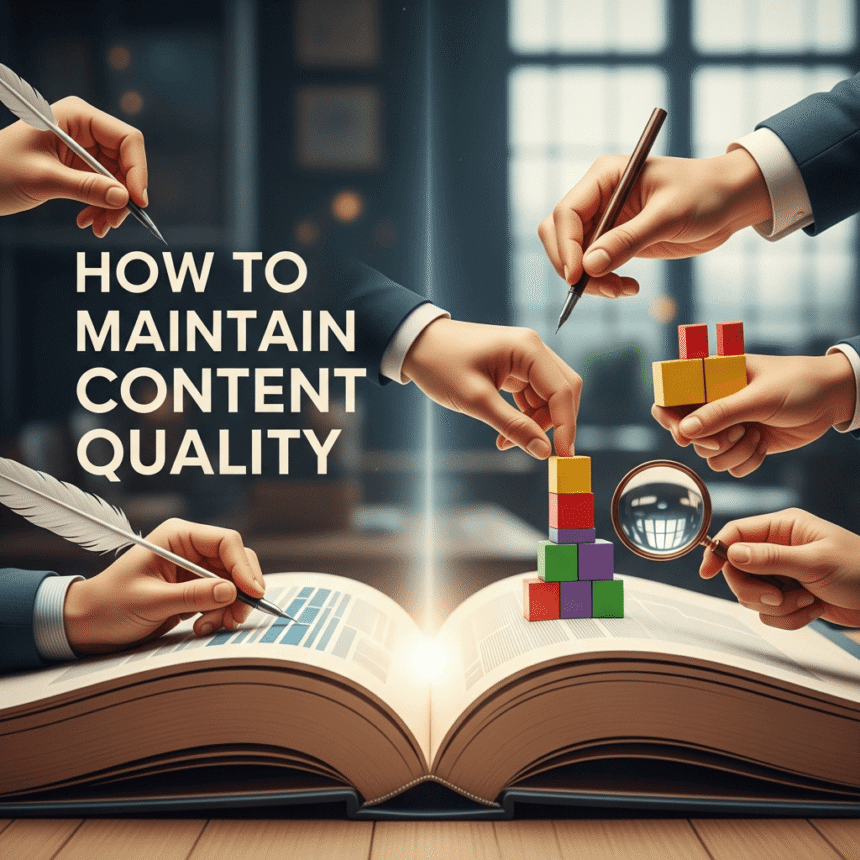
Focus on Quality Over Quantity
Search engines and readers both prefer long-form, helpful content. Instead of writing five short posts that barely scratch the surface, write one deep-dive post that truly solves a problem.
In WordPress, use headings and bullet points to make your posts easy to read. Most people scan articles before they read them. If they see a wall of text, they will leave. Break it up with clear subheadings.
Promote Your Content
Writing the post is only half the battle. You need to tell people it exists.
- Social Media: Share your links on platforms where your audience hangs out.
- Email Marketing: If you have a newsletter, send your new posts to your subscribers.
- Internal Linking: Link your new post to older, related posts on your site. This keeps readers on your website longer.
Analyze Your Results
Finally, check your progress. Use tools like Google Analytics to see which posts are getting the most traffic. If a certain topic is very popular, write more about it. If a post is getting no views, try changing the title or updating the information.
Planning a content strategy takes a bit of time upfront, but it saves you hours of wasted effort in the long run. By being intentional with your WordPress site, you turn it from a quiet corner of the internet into a busy hub for your audience.