
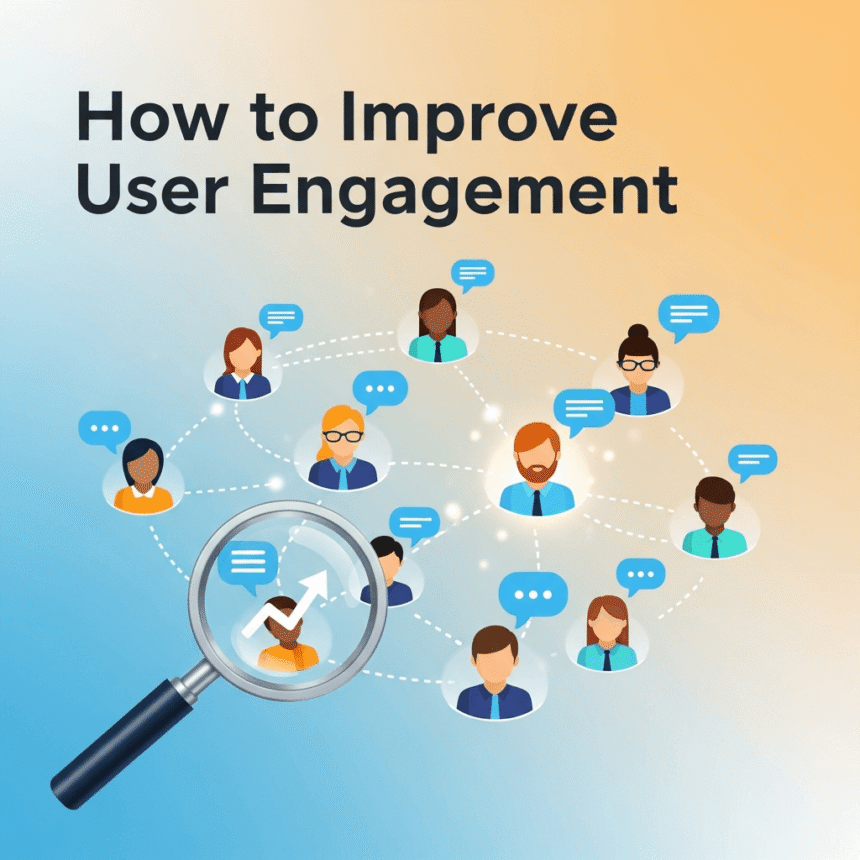

Creating a website is only the first step. The real challenge is keeping people on your site once they arrive. User engagement is a measure of how people interact with your content. Are they reading your articles? Are they clicking links? Do they come back?
If your engagement is high, it means you are providing value. Here is a simple guide on how to improve user engagement and build a loyal audience.
Know Your Audience
Before you can engage someone, you need to know who they are. If you write for everyone, you end up writing for no one.
- Create a reader profile: Think about the age, interests, and problems of your typical visitor.
- Solve their problems: People visit websites because they need an answer or a solution. Make sure your content provides that solution quickly.
Improve Your Page Load Speed
First impressions matter. If your website takes more than three seconds to load, most visitors will leave before they even see your title.
To speed things up, you can:
- Compress large images.
- Use a clean, simple website theme.
- Avoid using too many heavy plugins.
Write Better Headlines
The headline is the “hook” that pulls people in. A good headline should be clear and interesting. It should tell the reader exactly what they will get. Avoid “clickbait” that promises something the article does not deliver, as this destroys trust.
Use the Power of Storytelling
People love stories more than they love raw data. Instead of just listing facts, try to wrap them in a narrative. Share a personal experience or a case study. When readers connect with your story, they are more likely to stay on the page and leave a comment.
Make Your Content Easy to Read
Most people do not read every word on a webpage. They scan. If they see a giant wall of text, they will likely give up.
Use these tips to make your posts more “scannable”:
- Short paragraphs: Keep them to 2 or 3 sentences.
- Bullet points: These are great for breaking down complex lists.
- Subheadings: Use them to organize different sections of your post.
- Bold text: Highlight the most important phrases so readers catch the main points quickly.
Use High-Quality Images and Videos
A picture is worth a thousand words. High-quality visuals break up the text and make the page look professional. Videos are even better for engagement. If a visitor watches a two-minute video on your site, that is two minutes of “engaged time” you just earned.
Add a Clear Call to Action (CTA)
Don’t let your readers reach the end of a post and wonder what to do next. Tell them. A Call to Action guides the user to the next step.
Common CTAs include:
- “Leave a comment below with your thoughts.”
- “Sign up for our newsletter for more tips.”
- “Read this related article about web design.”
Interact With Your Community
Engagement is a two-way street. If someone takes the time to leave a comment, reply to them. Thank them for their input or answer their questions. This builds a sense of community. When people feel heard, they are much more likely to return to your site in the future.
Use Internal Linking
Internal links are links that go from one page on your site to another page on your same site. This helps users discover more of your content. If they enjoy the article they are reading, they might click a link to a related topic, keeping them on your site longer.
Conclusion
Improving user engagement is not about using magic tricks. It is about respect. Respect your visitor’s time by making your site fast. Respect their intelligence by providing high-quality information. And respect their eyes by making your content easy to read.
By focusing on these simple steps, you will see your visitors stay longer and interact more with what you have to offer.