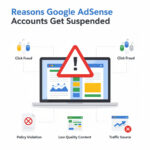

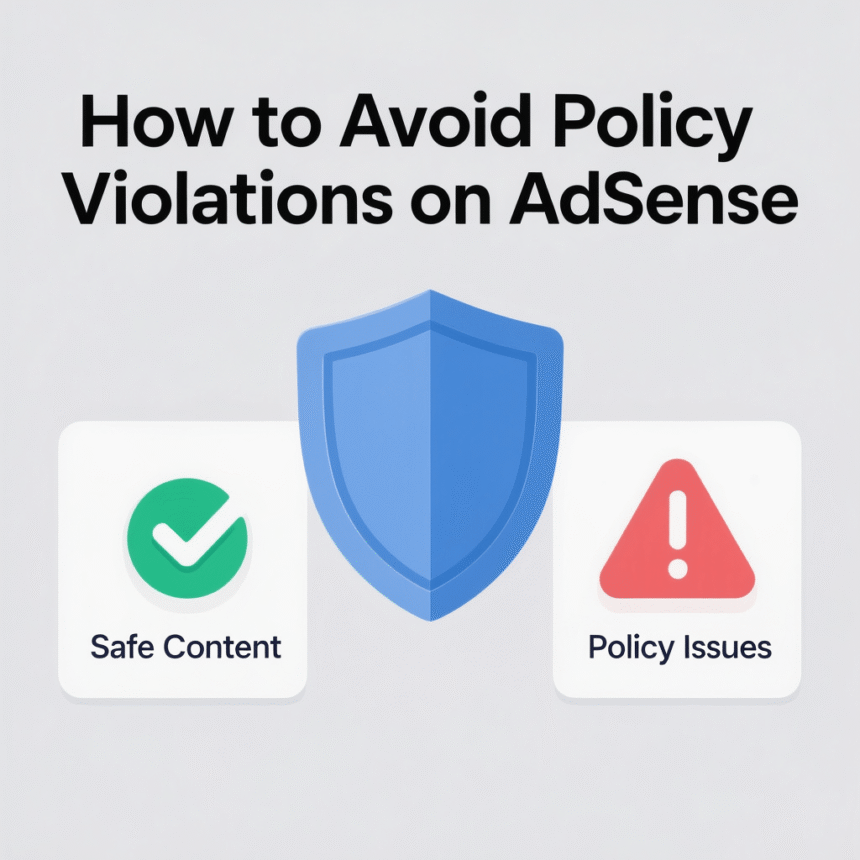

Running a successful website involves more than just writing great content. If you use ads to earn money, you must follow specific rules to keep your account safe. A single mistake can lead to warnings or even a permanent ban.
By understanding the most common pitfalls, you can protect your hard work and ensure your site stays in good standing. Here are the best ways to avoid policy violations.
Focus on High-Quality Original Content
The foundation of a safe account is original content. Automated systems and reviewers look for sites that provide real value to readers.
- Avoid Plagiarism: Never copy articles from other websites. Even if you credit the source, using “scraped” content is a major violation.
- Say No to “Thin” Content: Avoid pages with very little text, such as pages that only have a single image or a video without a description.
- Watch for Prohibited Topics: Certain subjects are strictly off-limits. This includes adult content, copyrighted material like movie downloads, hate speech, and promoting illegal activities.
Monitor Your Traffic Sources
Not all website visitors are treated equally. If your traffic comes from “shady” places, your account could be flagged for invalid activity.
- Avoid Traffic Bots: Never pay for services that promise thousands of visitors for a few dollars. These are usually bots that will get your account disabled quickly.
- Be Careful with Social Media: While sharing your posts on Facebook or Twitter is fine, avoid “click groups” where people agree to click on each other’s ads.
- Use Analytics: Regularly check where your visitors are coming from. If you see a sudden spike from a strange country or a suspicious website, investigate it immediately.
Perfect Your Ad Placement
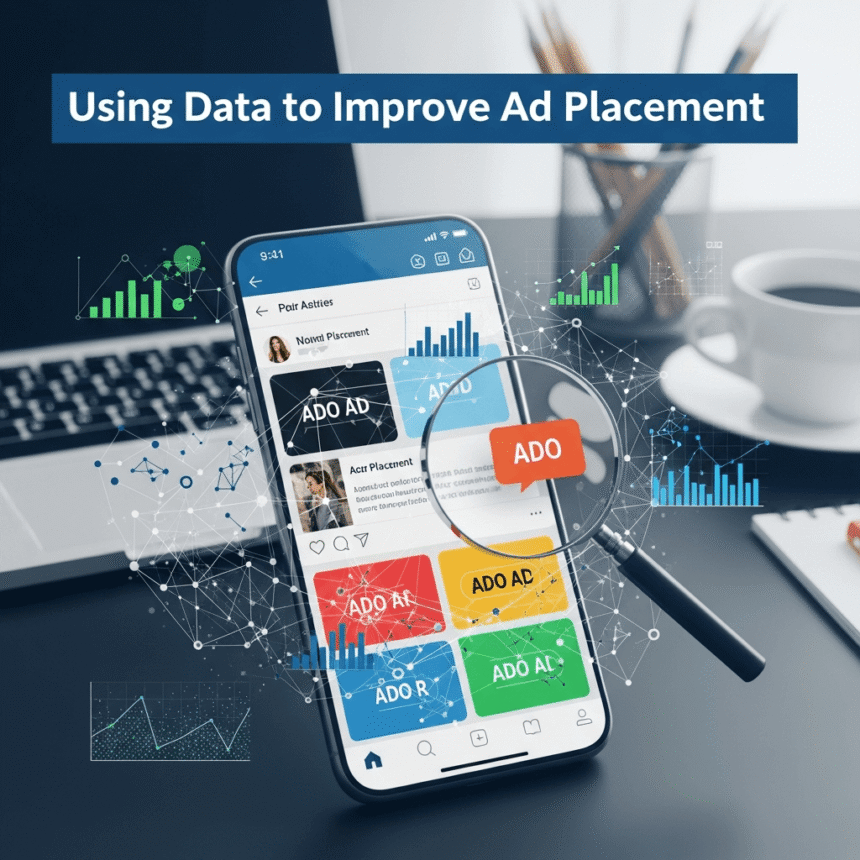
How and where you place your ads matters just as much as what you write. You should never trick a user into clicking an ad.
- Keep Your Distance: Don’t place ads too close to buttons, menu links, or images. This often leads to “accidental clicks,” especially on mobile devices. A good rule is to keep a clear gap between your content and your ad units.
- Label Ads Correctly: If you use labels, only use “Advertisements” or “Sponsored Links.” Do not use labels like “Favorite Sites” or “Click Here to Support Us.”
- Avoid Overloading: Having more ads than actual content on a page is a violation. Your content should always be the main focus.
The Golden Rule: Never Click Your Own Ads
This is the most common reason accounts get banned. It might be tempting to “test” if an ad works or to give your earnings a small boost, but the system is very good at detecting this.
- Don’t Ask Friends to Help: Even if your intentions are good, asking family or friends to click your ads is considered fraud.
- Use the Right Tools: If you want to see where an ad leads without clicking it, you can use the Ad Review Center in your dashboard.
Stay Updated with Policy Changes
Policies change as the internet evolves. In 2026, staying compliant means being proactive.
- Check the Policy Center: Log in to your account once a week and look at the “Policy Center” tab. If there is an issue, you will see a notification there before it becomes a major problem.
- Have a Privacy Policy: Every site must have a clear Privacy Policy page. It should explain to users that cookies are used to serve ads based on their interests.
By following these simple steps, you can focus on growing your audience while knowing your account is secure.