

When you start a blog or a website, your biggest goal is likely to get people to visit it. You might share your links on social media or tell your friends, but the most consistent way to get visitors is through Google. This is called search traffic.
Understanding how this works can feel like a mystery, but it is actually a very logical process. Here is a simple guide to help you understand what search traffic is and how you can get more of it.
What Is Google Search Traffic?
Google search traffic refers to the visitors who find your website by typing a word or a phrase into the Google search bar. When they see your website in the list of results and click on it, that is a “visit” from a search engine.
This is often called organic traffic. It is considered high quality because these people are looking for something specific. If they find your site, it means you have the answer or the information they need.
How Google Finds Your Website
Google does not just know every website exists the moment it is created. It uses a process to “discover” your pages. You can think of it in three main steps:
- Crawling: Google sends out automated programs, often called “spiders” or “bots,” to browse the internet. They follow links from one page to another to find new content.
- Indexing: Once a bot finds your page, Google looks at the text, images, and layout to understand what the page is about. It then saves this information in a giant digital library called an “index.”
- Ranking: When someone types a search query, Google looks through its index to find the best matches. It shows the most helpful and trustworthy pages at the top.
Why Some Pages Rank Higher Than Others
Google’s main job is to make the person searching happy. To do this, it uses many factors to decide which page deserves the top spot. Here are the most important ones for you to know:
- Relevance: Does your content actually answer the user’s question? If someone searches for “how to bake a cake,” Google will look for pages that clearly explain the steps of baking.
- Quality and Trust: Google prefers websites that show they know what they are talking about. Having well-written, original content is key.
- User Experience: If your site takes too long to load or looks messy on a phone, Google might not rank it highly. A fast, easy-to-use website is essential.
- Links: When other reputable websites link to your blog, Google sees it as a “vote of confidence.” It tells the search engine that your content is valuable.
How to Attract More Visitors
Now that you know how it works, you can take steps to improve your chances of being seen. You do not need to be a tech expert to do these things.
Use the Right Keywords
Think about what your audience is typing into the search bar. Use those exact phrases naturally in your titles and throughout your post. These are your “keywords.”
Write Great Titles
Your title is the first thing a user sees. Make it clear and interesting so they want to click on it. Try to keep it under 60 characters so it does not get cut off in the results.
Help Google Understand Your Images
Google cannot “see” images the way humans do. When you upload a photo, give it a descriptive name and add “alt text” (a short description). This helps the search engine understand that the image is relevant to the topic.
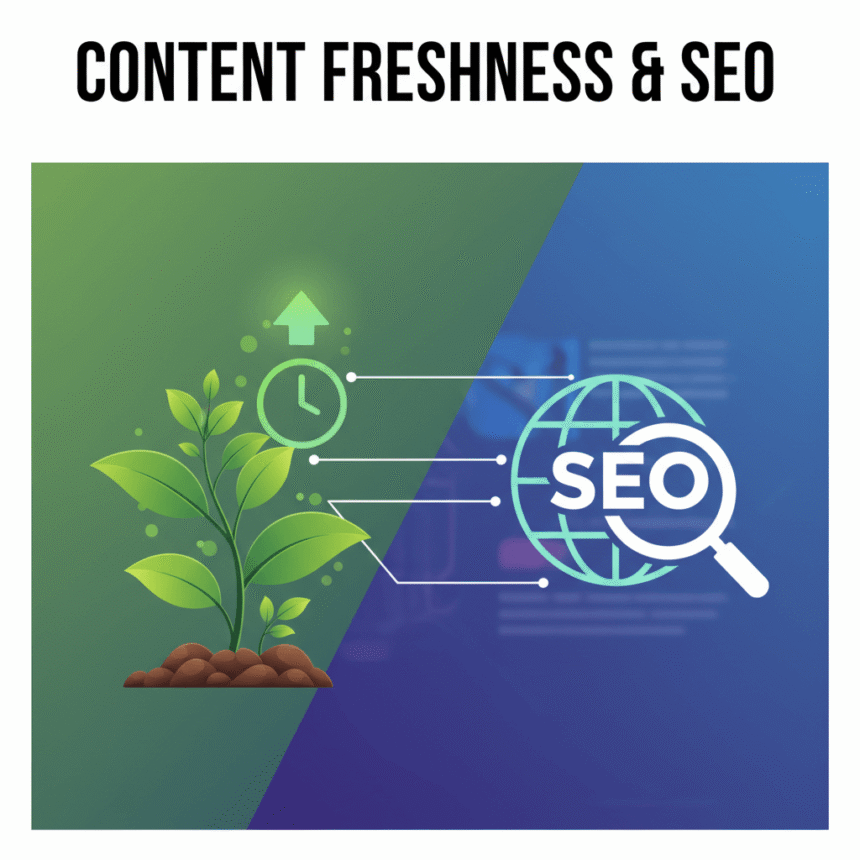
Keep Your Content Fresh
Google likes to show up-to-date information. If you wrote a post a year ago, go back and update it with new facts or better tips. This can give your traffic a nice boost.
Summary
Google search traffic is not about luck; it is about being helpful. When you create content that answers questions and provides value, Google will naturally want to show it to people. It takes time to build up, but the results are worth the wait because they bring a steady stream of interested readers to your site every day.