

If you are looking for ways to make money from your blog, you have likely come across two major options. One is a program that places ads on your site automatically. The other is a system where you recommend products and earn a commission when someone buys them.
Both methods are great for beginners, but they work in very different ways. Choosing the right one depends on your traffic, your niche, and how much work you want to put in. Let’s look at how they compare.
What is the Ad Program?
This method is often the first choice for new bloggers. Once you are accepted, you simply place a small piece of code on your website. After that, ads start appearing on your pages.
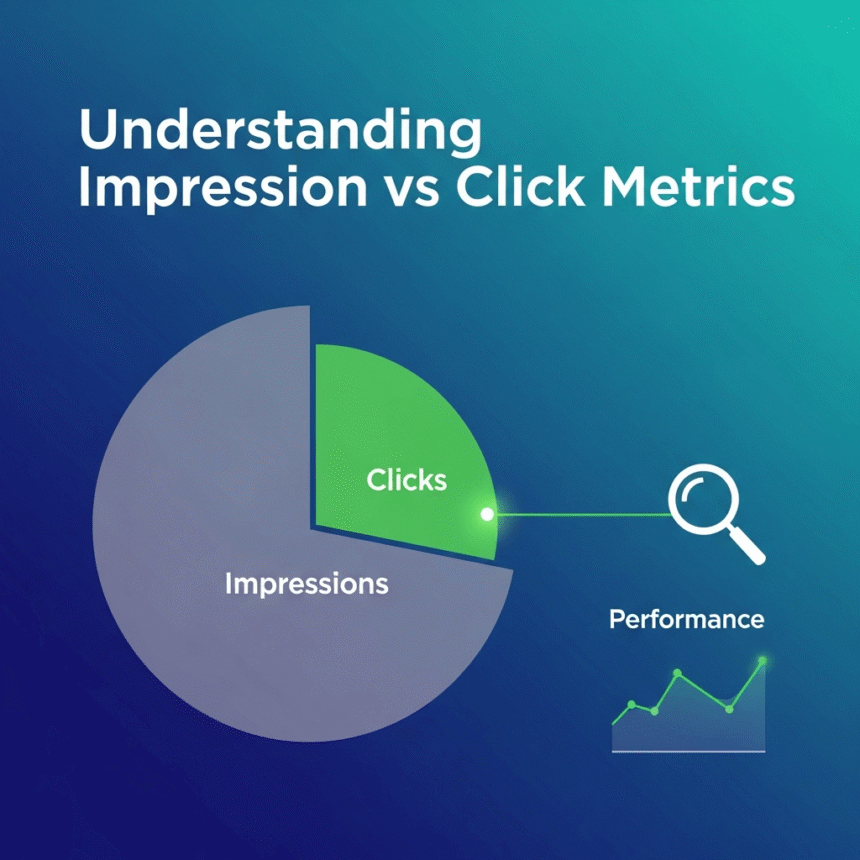
The system is smart. It looks at what your blog is about and shows ads that match your content. If you write about gardening, your readers might see ads for seeds or tools. You earn money whenever a visitor clicks on one of those ads.
Pros:
- Easy to set up: You don’t need to find advertisers yourself.
- Passive income: Once the ads are live, they run on their own.
- Works for any niche: Whether you write about poetry or tech, there are ads available.
Cons:
- Requires high traffic: To make a significant amount of money, you need thousands of visitors.
- Low control: You cannot choose exactly which products are shown.
- User experience: Too many ads can make a site look messy or slow it down.
What is Affiliate Marketing?
In this model, you partner with brands or companies. You get a special link to their products. When you mention a product in a blog post and a reader clicks that link and buys something, you get a piece of that sale.
This is very common in “Best of” lists or product reviews. For example, if you review a specific laptop and include your link, you get paid if a reader buys that laptop through your site.
Pros:
- Higher earning potential: One single sale could earn you more than hundreds of ad clicks.
- Relevant to readers: You choose exactly what to recommend based on what your audience likes.
- Better for small sites: You don’t need millions of visitors if you have a very loyal audience that trusts your advice.
Cons:
- Harder to convert: Getting someone to click an ad is easy, but getting them to spend money is much harder.
- More work: You have to write detailed reviews and keep your links updated.
- No sale, no pay: If a thousand people click your link but nobody buys, you earn nothing.
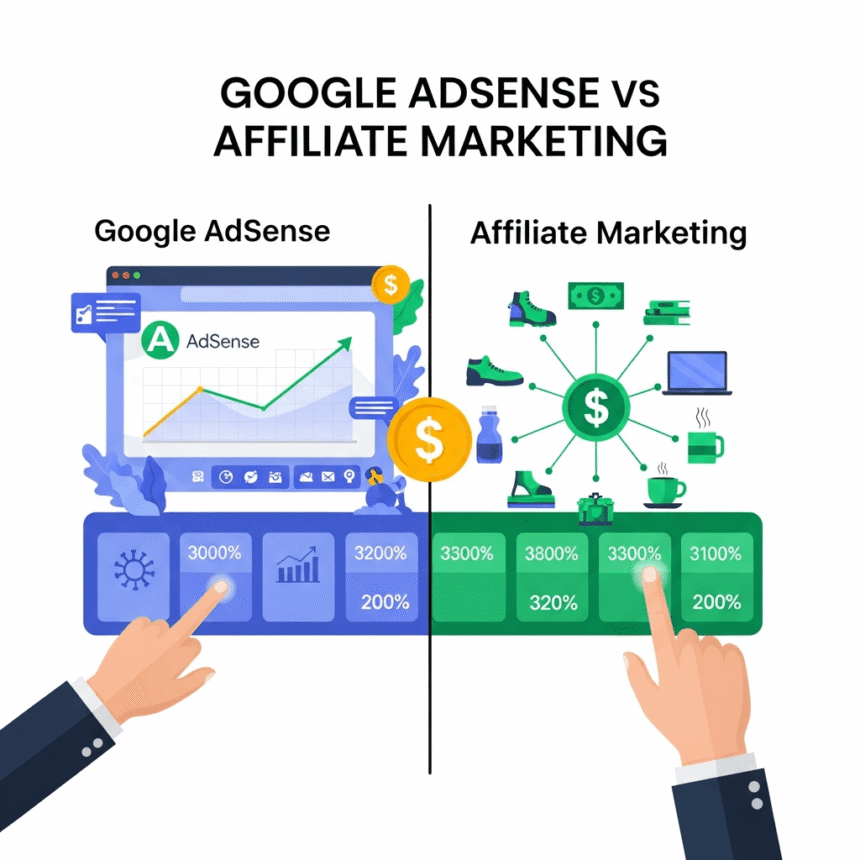
Key Differences at a Glance
| Feature | Ad Program | Affiliate Marketing |
| How you get paid | Per click | Per sale (usually) |
| Effort level | Low (Set and forget) | High (Requires strategic writing) |
| Traffic needed | High traffic is a must | Quality of traffic matters more |
| Control | Very little | Complete control over products |
Which One Should You Choose?
The best choice depends on the type of content you write.
If your blog is a news site, a gossip blog, or a place for short tips, the ad program is usually better. People visiting these sites are looking for quick information and are not necessarily in a “buying” mood.
If you write “how-to” guides, product comparisons, or deep-dive reviews, affiliate marketing is often the winner. Your readers are looking for recommendations, so they are much more likely to make a purchase.
Can You Use Both?
The good news is that you do not have to pick just one. Many successful bloggers use both. They might have ads in the sidebar or at the bottom of a post to catch general traffic, while using specific links within the text for products they truly love.
Just be careful not to clutter your site. If your page is full of ads and too many links, readers might leave because the content is hard to read.
Conclusion
Both methods are excellent tools for turning your passion into a business. If you want something simple and automated, start with the ad program. If you enjoy teaching people about products and want to earn more per visitor, give affiliate marketing a try.