

If you have been following the world of search engines for a while, you know that the rules change fast. Every year, experts claim that certain strategies are “dead.” Recently, with the rise of artificial intelligence and new ways of searching, many people are asking one big question: Do backlinks still matter in 2026?
The short answer is yes. However, the way they work has changed completely. It is no longer about how many links you have, but rather who is talking about you and why.
What is a Backlink?
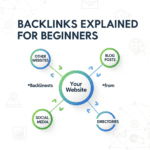
To understand why they still matter, we need a quick reminder of what they are. A backlink is simply a link from one website to another. In the past, search engines viewed these links as “votes.” The more votes your website had, the more popular it seemed, and the higher it would rank in search results.
Why the Old Way of Building Links is Gone
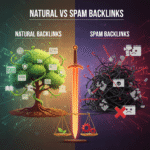
A few years ago, people tried to “trick” search engines by getting thousands of low quality links from random websites. They would use link farms or leave spammy comments on forums.
In 2026, those tactics do not just fail; they can actually get your website penalized. Modern search engines are now smart enough to understand the context of a link. They don’t just count the link; they read the sentences around it to see if the recommendation makes sense.
3 Reasons Backlinks are Still Important
Even with all the changes in technology, backlinks remain a cornerstone of a good website for three main reasons.
1. They Prove Your Authority
Search engines want to show users results from experts. If a major news site or a respected leader in your industry links to your blog, it tells the algorithm that you are a trustworthy source. This is often called “E-E-A-T” (Experience, Expertise, Authoritativeness, and Trustworthiness).
2. They Help AI Find Your Content
Today, many people use AI assistants to find answers. These AI models often look at “citations” to decide which information is correct. When high quality sites link to you, it helps these AI systems recognize your brand as a reliable answer to a user’s question.
3. They Bring Real People to Your Site
We often get so focused on search engines that we forget about real humans. A good backlink on a popular site can send “referral traffic” directly to you. These are visitors who are already interested in your topic, making them more likely to read your posts or buy your products.
What Makes a “Good” Backlink in 2026?
Since quantity is no longer the goal, you should focus on quality. A single link from a relevant, high authority site is worth more than a thousand links from unrelated blogs.
- Relevance: If you write about healthy cooking, a link from a fitness blog is great. A link from a car repair shop makes no sense.
- Trust: Does the site linking to you have real readers and original content?
- Placement: Links hidden in a footer or sidebar carry very little weight. You want your link to be “editorial,” meaning it is naturally included in a helpful article.
How to Get Quality Links Today
Instead of “building” links, think about “earning” them. Here are the best ways to do that in 2026:
- Create Original Research: Conduct a survey or share unique data. Other writers will link to you as their source when they mention your findings.
- Build Relationships: Connect with other creators in your niche. Guest posting is still effective, but only if you are providing high value content to a site your audience actually visits.
- Fix Broken Links: If you find a dead link on a popular site that points to an old resource, reach out to the owner and suggest your updated post as a replacement.
The Bottom Line
Backlinks are not going away. They have evolved from simple “votes” into complex “digital endorsements.” In 2026, your focus should be on creating amazing content that people want to reference. If you focus on being helpful and building a real brand, the links will follow naturally.