

Creating content for a website is exciting, but it comes with serious legal responsibilities. One of the biggest traps for any online creator is copyright infringement. Using someone else’s work without permission can lead to legal trouble, loss of revenue, or even the closure of your site.
To keep your digital business safe and professional, you need to understand how copyright works in the digital world. Here are the essential rules every publisher must follow.
1. Assume Everything Is Protected
A common mistake is thinking that if an image or article is on the internet, it is free to use. This is not true. Under modern law, a work is protected by copyright the moment it is created. It does not need a “©” symbol or a formal registration to be protected.
Whether it is a photo on social media, a blog post on another site, or a graphic from a search engine, you should always assume you do not have the right to use it unless you have clear proof otherwise.
2. Understand Fair Use
“Fair Use” is a legal concept that allows you to use small parts of copyrighted material without permission in specific cases, such as:
- Criticism and Comment: Reviewing a book or a movie.
- News Reporting: Summarizing a news event.
- Teaching and Research: Using excerpts for educational purposes.
However, Fair Use is not a “get out of jail free” card. It depends on how much of the work you use and if your use hurts the original creator’s ability to make money. Simply giving credit to the author does not automatically make your use “fair.”
3. Use Licensed or Original Images
Images are the most common source of copyright claims. To stay safe, follow these paths:
- Create Your Own: Take your own photos or design your own graphics using tools like Canva or Adobe Express.
- Stock Photo Sites: Use websites like Pexels, Unsplash, or Pixabay, which offer “Creative Commons Zero” (CC0) images that are free for commercial use.
- Paid Licenses: Purchase a license from sites like Shutterstock or Getty Images. Always read the fine print to see if there are limits on how many times the image can be viewed.
4. The Danger of “Content Scraping”
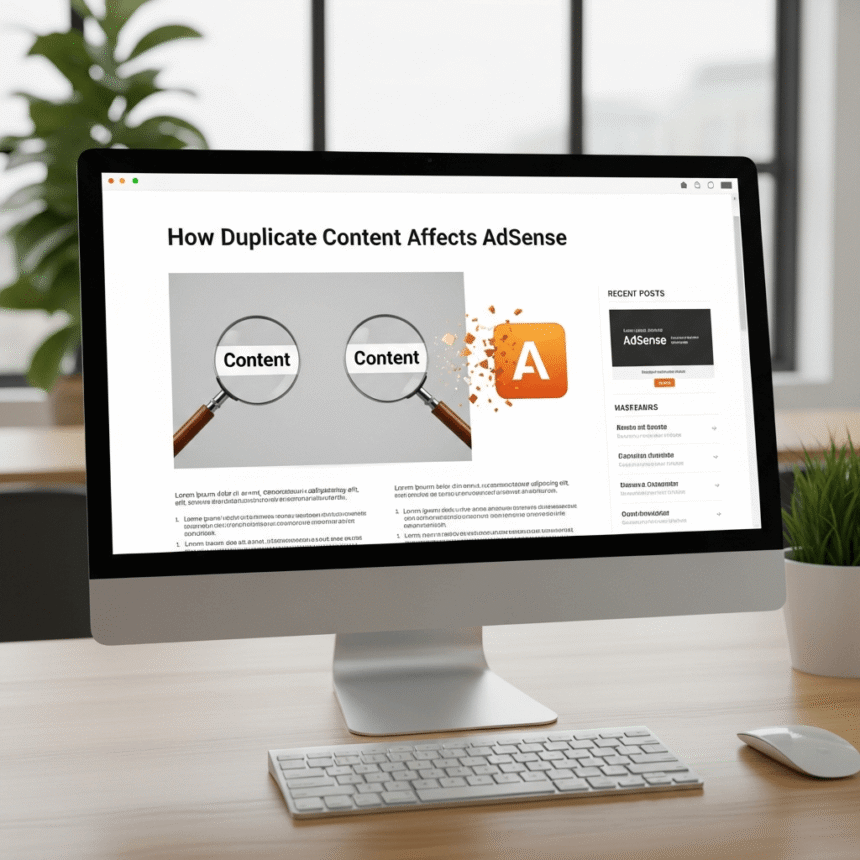
Copying and pasting an entire article from another website—even if you link back to them—is called content scraping. This is a major violation of copyright. It is always better to write your own original content. If you want to talk about someone else’s work, write a short summary in your own words and then provide a link to their original article for the full story.
5. Beware of Public Domain Myths
The “Public Domain” refers to works whose copyright has expired or never existed. In the United States, most works published before 1929 are in the public domain. However, just because something is “old” does not mean it is free. A modern photo of an old painting might still be protected by the photographer’s copyright. Always verify the status before you publish.
6. Know the Consequences
If you violate copyright, the owner can send a DMCA Takedown Notice. This is a legal request to your web host to remove the content. If you get too many of these, your hosting provider might shut down your website entirely. Furthermore, copyright owners can sue for “statutory damages,” which can cost thousands of dollars per violation.
Summary Checklist for Publishers
To protect your site, run through this quick checklist before hitting “Publish”:
- Did I write this text myself?
- If I used an image, do I have a license or permission to use it?
- If I quoted someone, is the quote short and for the purpose of a review or comment?
- Is my content adding new value rather than just repeating what others have said?
By following these rules, you build a site that is not only legally safe but also more valuable to your audience. Originality is the best way to grow a lasting brand.