

The question of how long a blog post should be is one of the most debated topics in digital marketing. Some experts say you need massive guides to rank on the first page, while others argue that people have short attention spans and prefer quick answers.
So, does length actually matter for SEO? The answer isn’t as simple as a single number, but there are clear patterns that can help you win.
Does Word Count Directly Affect Rankings?
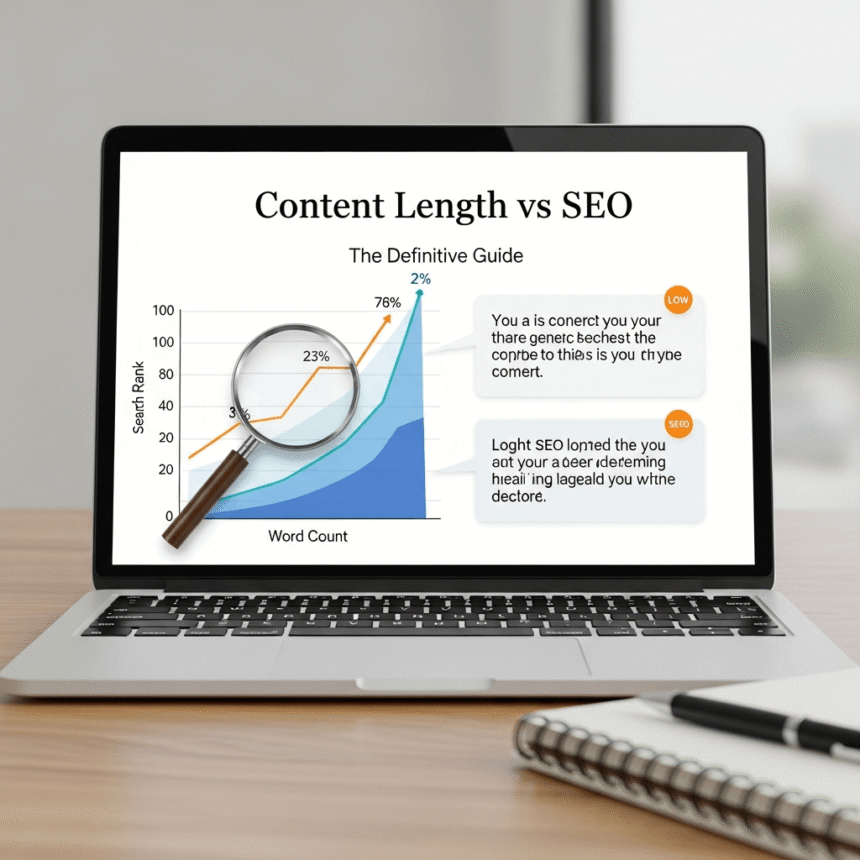
To be clear, search engines do not have a “minimum word count” requirement. You won’t be penalized just because a post is 300 words. However, data often shows that longer content tends to perform better in search results.
This happens because longer articles usually provide more value. When you write a 1,500 word post instead of a 300 word post, you are likely covering the topic in much more detail. You are answering more questions, using more related keywords, and keeping readers on your page for a longer time.
Quality Over Quantity
While length can help, “fluff” will hurt you. If you take a simple idea and stretch it out with repetitive sentences just to hit a high word count, readers will leave your site quickly.
Search engines track how users interact with your site. If someone clicks your link and immediately leaves because the content is boring or padded with useless information, your rankings will eventually drop. The goal is to be comprehensive, not just long.
Finding the “Sweet Spot” for Your Content
The ideal length for your post depends entirely on the “search intent.” This refers to what the user is actually looking for when they type a query.
- Informational Queries: If someone searches for “How to start a garden,” they want a detailed guide. This should be long, perhaps 1,200 to 2,000 words.
- Quick Answers: If someone searches for “What is the capital of France,” they want one word. Writing 2,000 words about the history of Paris just to answer that question will frustrate the user.
- Product Pages: If you are selling a specific item, the description should be clear and persuasive. Usually, 300 to 800 words is enough to explain the benefits without overwhelming the shopper.
Why Longer Content Often Wins
There are several technical reasons why longer posts often see more traffic:
- More Keywords: A longer post naturally includes more “long-tail” keywords. These are specific phrases people search for that you might not have thought of.
- Backlinks: Other websites are more likely to link to a “Ultimate Guide” than a short, basic tip. These links tell search engines that your site is an authority.
- Dwell Time: If it takes five minutes to read your post, that is five minutes a user is spending on your site. This signals to search engines that your content is engaging.
How to Write for SEO Without Getting Bogged Down
If you want to improve your SEO through content length, follow these simple rules:
- Check the Competition: Look at the top three results for your target keyword. If they all wrote 2,000 words, you probably need to be in that range.
- Use Subheadings: Use clear headings to break up long text. This makes the post “scannable” so readers can find the specific section they need.
- Answer the Question First: Don’t make people scroll to the bottom for the main answer. Give them the value early, then provide the deep details afterward.
Conclusion
In the battle of Content Length vs SEO, the winner is always relevance. A short post that perfectly answers a specific question is better than a long post that wanders off-topic. However, for competitive topics, aim for depth and detail. If you provide the best possible answer to a user’s problem, the length will usually take care of itself.