


Keyword research is the foundation of any successful website. It helps you understand what your audience is looking for and how you can provide the answers they need. However, many people treat keyword research like a simple guessing game. This lead to wasted time and content that nobody reads.
If you want to grow your traffic, you need to avoid these common traps.
1. Focusing Only on High Volume
It is tempting to go after keywords that get 50,000 searches a month. However, these are often the most competitive terms. If you have a newer or smaller website, trying to rank for a single word like “shoes” is nearly impossible.
Instead of chasing big numbers, look for “low hanging fruit.” These are keywords with lower search volume but much lower competition. It is better to be on the first page for a term searched 200 times than on page ten for a term searched 20,000 times.
2. Ignoring Search Intent
This is perhaps the biggest mistake. Search intent is the “why” behind a search. If someone searches for “best laptop reviews,” they want to compare products. If they search for “buy MacBook Pro,” they are ready to spend money.
If you write a purely informational article for a keyword where people want to buy something, you will struggle to rank. Search engines want to give users exactly what they are looking for. Always check the current results on the search page to see what kind of content is already ranking before you start writing.
3. Neglecting Long-Tail Keywords
Long-tail keywords are longer, more specific phrases. For example, “organic dog food for senior labs” is a long-tail keyword, while “dog food” is a head term.
Long-tail keywords usually have lower search volume, but the visitors they bring are highly targeted. These users know exactly what they want, which means they are more likely to stay on your site or take action.
4. Overlooking Related Questions
People often search in the form of questions. If you only focus on short phrases, you miss out on the way people actually talk and use voice search. Using tools to find “People Also Ask” questions can give you a massive advantage. These questions make great subheadings for your blog posts.
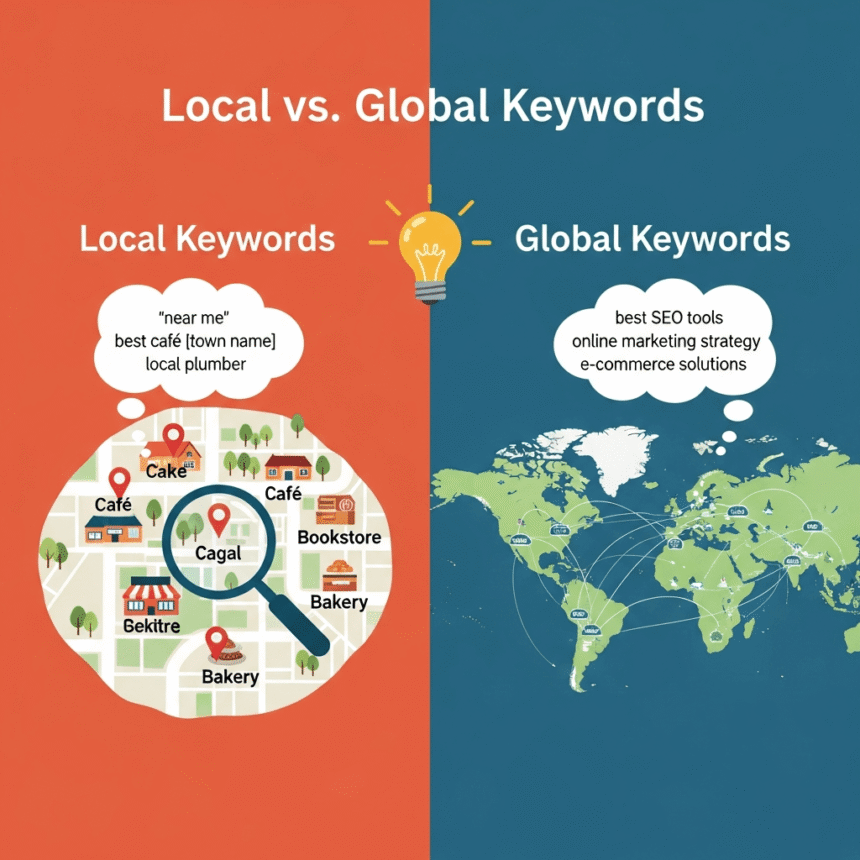
5. Forgetting About Local SEO
If you have a business that serves a specific area, you must include geographic locations in your research. Ranking for “plumber” is hard, but ranking for “plumber in Chicago” is much more achievable and brings in the right customers.
6. Not Looking at the Competition
You should always know who you are up against. If the top five results for a keyword are massive websites with huge budgets, you might want to find a different angle. Look for “gaps” in their content. Is there a question they didn’t answer? Is their information outdated? That is your opportunity to shine.
7. Using Only One Tool
Keyword tools are great, but they are not perfect. They use estimates. If you rely on just one source of data, you might get a skewed view of the market. Try using a mix of different tools and even the search engine’s own suggestions at the bottom of the page to get a full picture.
Summary
Keyword research is not about finding the biggest numbers. It is about finding the right words that connect your expertise with the people who need it. By avoiding these mistakes, you ensure that every piece of content you write has a real chance to be seen.