

Search engines have a simple goal: they want to give users the most helpful and accurate information possible. If you are searching for the “best smartphones,” you probably don’t want a list from five years ago. This is where content freshness comes into play.
Understanding how the age of your content affects your search rankings is a game-changer for anyone looking to grow their website traffic.
What is Content Freshness?
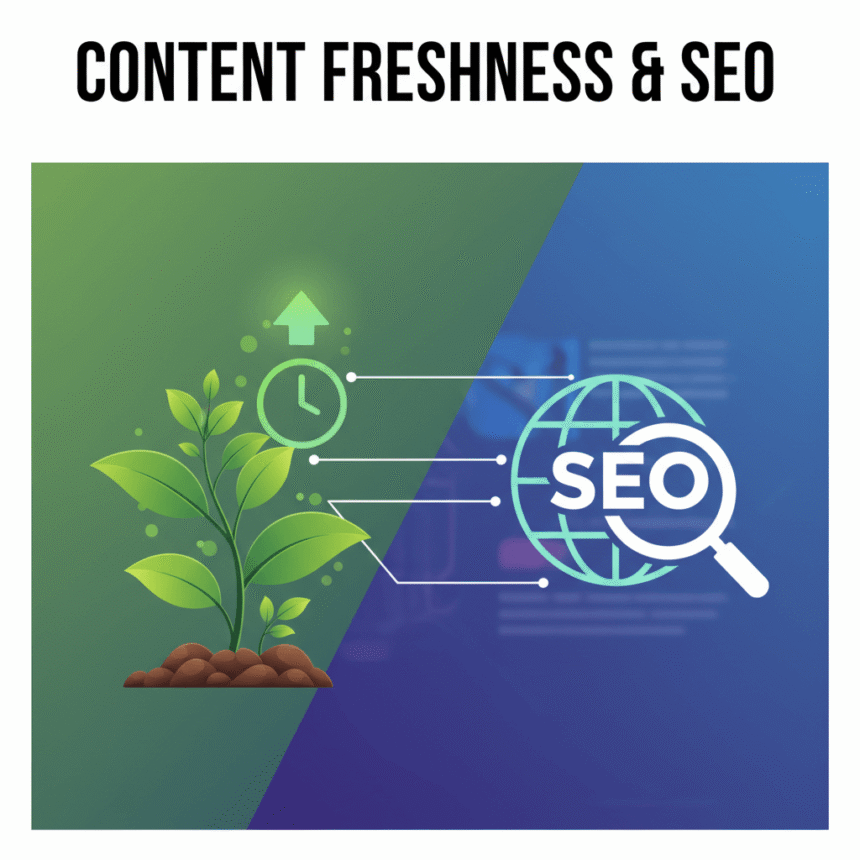
Content freshness refers to how up-to-date a webpage is in the eyes of a search engine. It is not just about the date you first hit “publish.” It involves how often the page is updated, how much of the content changes, and whether the information remains relevant to current trends.
Search engines use specific algorithms to determine if a topic requires “fresh” results. For example:
Breaking news: Events happening right now.
Recurring events: Yearly conferences or sports seasons.
Frequent updates: Product reviews or “best of” lists.
Why Freshness Matters for SEO
When you update your content, search engine bots crawl your site again. This tells the system that your site is active. Here are the main reasons why keeping things current helps your SEO:
Improved Click-Through Rate (CTR): Users are more likely to click on a search result that shows a recent date. A post labeled “2026 Guide” looks much more reliable than one from 2022.
Accuracy and Authority: Facts change. Links break. By fixing these issues, you show search engines that you care about the user experience.
Keyword Relevance: The way people search changes over time. Updating an old post allows you to include new terms and phrases that people are currently using.
How to Keep Your Content Fresh
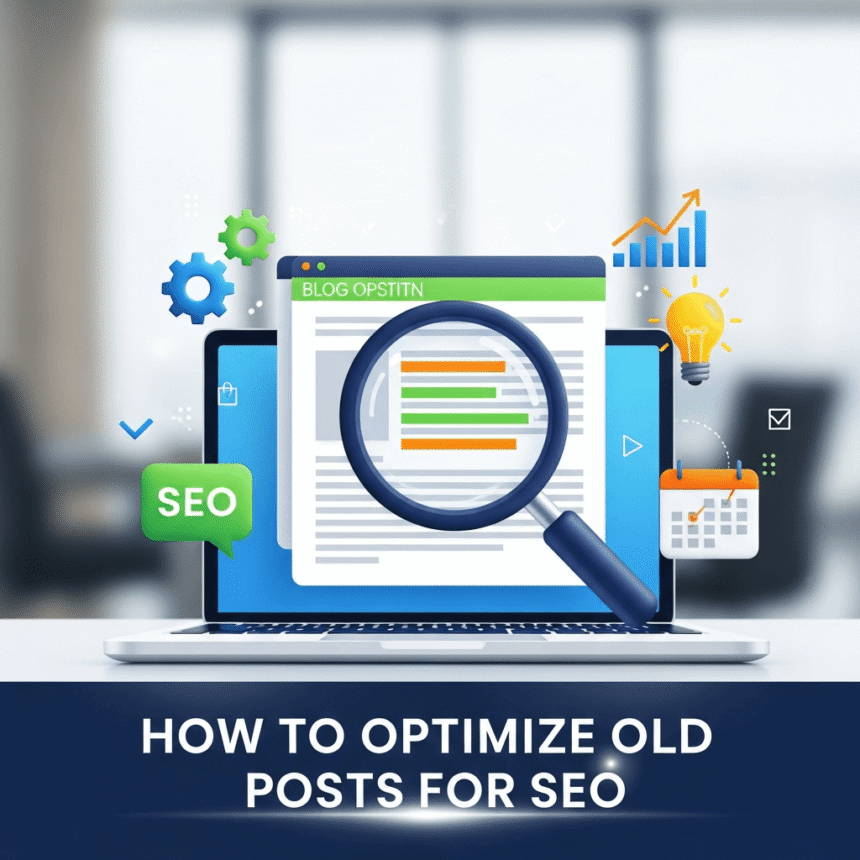
You do not always need to write a brand-new post to see a boost in traffic. Often, breathing new life into old material is more effective.
Update the Facts: Check your statistics, dates, and names. If you mentioned a software version that is now obsolete, update it to the latest version.
Fix Broken Links: Nothing hurts a user’s trust more than a “404 Not Found” error. Use tools to find dead links and replace them with fresh sources.
Add New Media: Replace old, low-resolution images with high-quality visuals or even short videos. This increases the time people spend on your page.
Expand the Depth: If a post was 500 words three years ago, see if you can add more value now. Add a “Frequently Asked Questions” section or a new case study.
The “Quality Over Frequency” Rule
While freshness is important, you should not update your site just for the sake of it. Changing a single comma or a font style does not count as a significant update. Search engines look for substantial changes. Aim to add real value every time you touch an old post.
By maintaining a balance between creating new topics and polishing your existing library, you create a website that stays relevant and competitive in search rankings.