


Launching a new website is an exciting milestone. However, building it is only half the battle. To actually get people to visit, you need to make sure search engines can find and understand your content. This is where Search Engine Optimization (SEO) comes in.
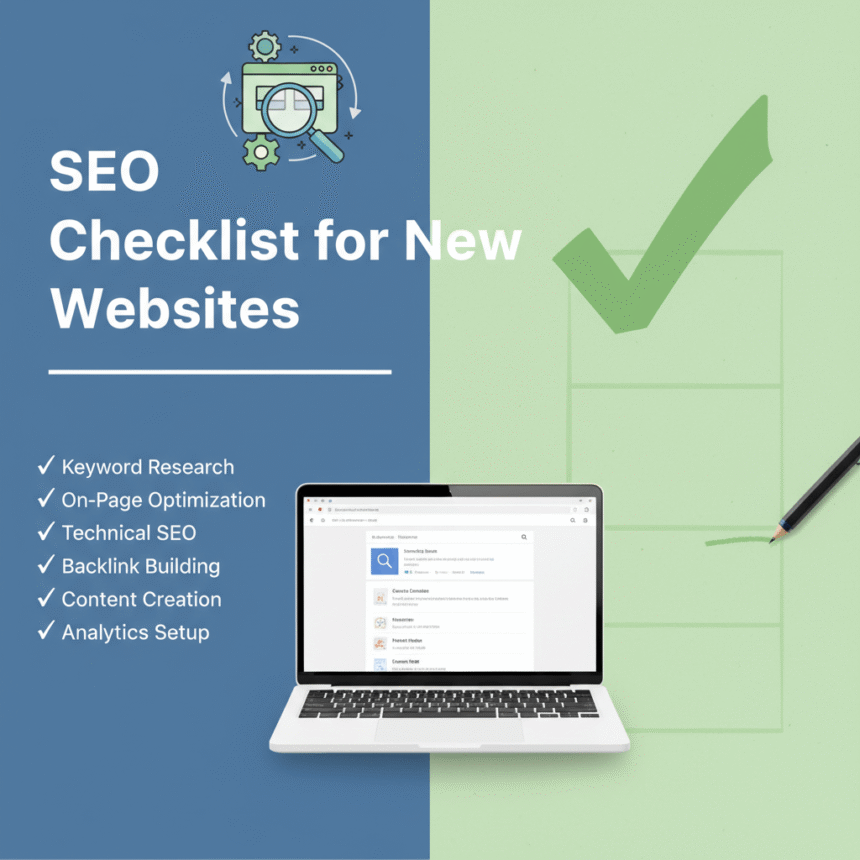
If you are new to the world of digital marketing, SEO can feel overwhelming. To make it easier, here is a straightforward checklist to get your new site on the right track from day one.
1. Set Up the Basics
Before you worry about keywords or links, you need to ensure you have the right tools to measure your success.
Google Search Console: This is a free tool that shows you how your site performs in search results. It also alerts you to any technical errors.
Analytics Tools: Install a tracking tool to see where your visitors are coming from and what pages they like the most.
Sitemap Submission: Create an XML sitemap (a list of all your pages) and submit it to search engines so they can crawl your site efficiently.
2. Find the Right Keywords
Keywords are the words and phrases people type into search bars. You want to show up when they search for topics related to your business.
Focus on Intent: Don’t just pick popular words. Pick words that match what your customers are looking for.
Long-Tail Keywords: These are longer, more specific phrases like “best leather boots for hiking” rather than just “boots.” They are usually easier to rank for.
3. On-Page Optimization
This involves making sure each individual page is structured correctly.
Title Tags: Every page should have a unique title that includes your main keyword. Keep it under 60 characters.
Meta Descriptions: This is the short summary that appears under your link in search results. Make it catchy to encourage clicks.
Header Tags: Use H1 tags for your main title and H2 or H3 tags for subheadings. This helps both readers and search engines follow your logic.
4. Technical Health
A website that is slow or broken will frustrate users and hurt your rankings.
Mobile Friendliness: Most people browse on their phones. Ensure your site looks and works great on small screens.
Page Speed: Optimize your images and use a fast hosting provider. A slow site is a major turn-off.
HTTPS: Make sure your site is secure. Look for the padlock icon in the browser address bar.
5. Content Quality
At the end of the day, search engines want to provide the best answers to users.
Write for Humans: Don’t stuff keywords into your text just to have them there. Write naturally and provide real value.
Consistency: Try to post new content regularly. It shows search engines that your site is active and relevant.
6. Build Trust
Search engines favor websites that are seen as authorities in their niche.
Internal Linking: Link to your own articles within your blog posts. This keeps people on your site longer.
External Links: Link to reputable sources to back up your claims.
Backlinks: Try to get other websites to link to yours. This is like a “vote of confidence” for your content.
SEO is not a one-time task but a continuous process. By following this checklist, you are building a strong foundation that will help your website grow steadily over time.