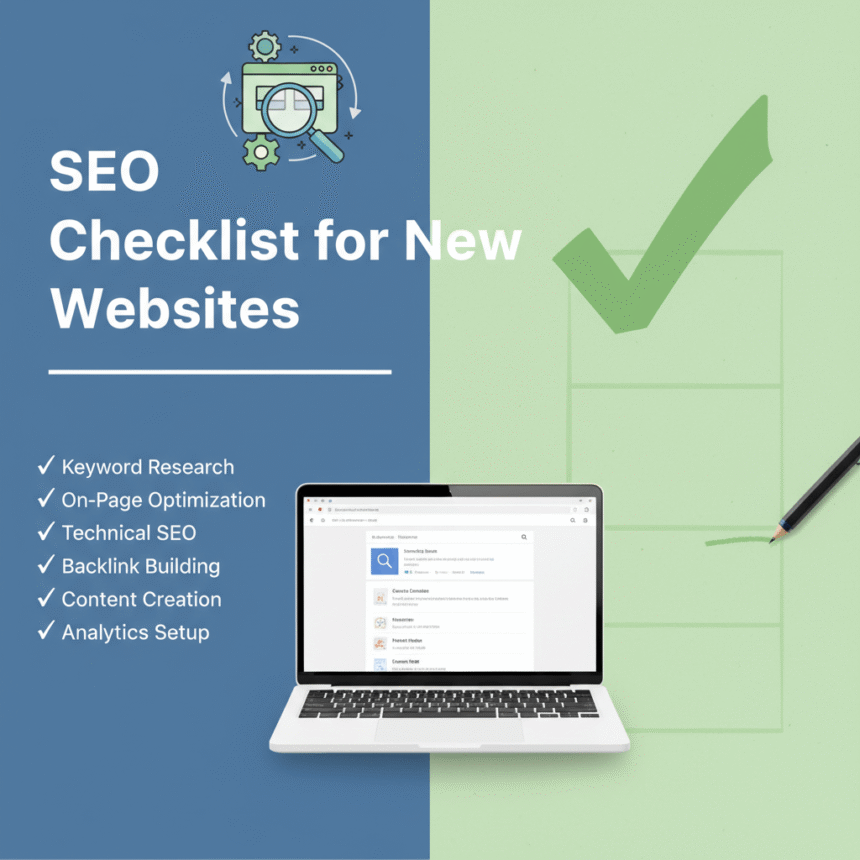



Starting a small website is an exciting journey. However, the biggest challenge most owners face is getting people to actually find their site. You might feel like you are competing against giant companies with massive budgets, but there is good news. Being small can actually be an advantage in the world of search engine optimization (SEO).
Small websites are nimble. They can focus on specific topics that big sites often overlook. Here is a guide to help you master SEO without needing a team of experts.
Focus on Long-Tail Keywords
Big websites usually dominate broad terms like “shoes” or “travel.” For a small site, trying to rank for these is like a local runner trying to win the Olympic gold against professionals.
Instead, focus on long-tail keywords. These are longer, more specific phrases. Instead of “baking,” try “easy gluten free brownie recipes for kids.” These phrases have lower search volume, but the people searching for them are much more likely to click on your site because you are providing exactly what they need.
Create Content for Humans First
Search engines have become very smart. They no longer just look for how many times you typed a keyword. They look for value.
Write your blog posts as if you are talking to a friend. Use simple language and answer real questions. If your content is helpful, visitors will stay on your page longer. This tells search engines that your site is high quality, which helps your rankings naturally.
Optimize Your On-Page Elements
You don’t need to be a coder to handle basic SEO. Make sure every page on your site has these three things:
- A Clear Title Tag: This is the headline that appears in search results. It should be catchy and include your main keyword.
- A Meta Description: This is the short summary below the title. Think of it as an advertisement for your page.
- Header Tags: Use headings to break up your text. This makes it easier for both readers and search engines to understand the structure of your post.
Build Your Local Presence
If your small website is for a local business, Local SEO is your best friend. Make sure your name, address, and phone number are consistent across the web. Encourage happy customers to leave reviews. When people search for services “near me,” search engines prioritize local relevance over the size of the company.
Speed and Mobile Friendliness
Most people browse the web on their phones. If your site takes too long to load or looks messy on a small screen, visitors will leave immediately. Use simple designs and compress your images so they load fast. A fast site is a site that search engines love to recommend.
SEO is a marathon, not a sprint. For a small website, consistency is more important than perfection. If you keep providing value and following these basic steps, your traffic will grow over time.