
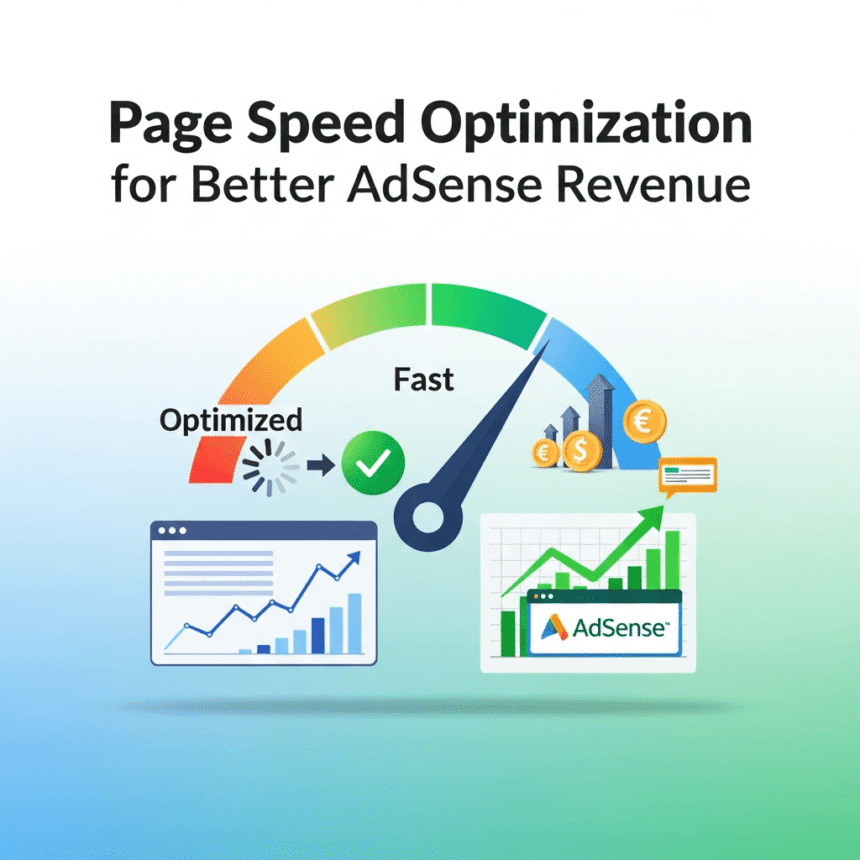

In the digital world, speed is everything. If your website takes too long to load, visitors will leave before they even see your content. This is not just bad for your user experience; it directly impacts how much money your site can make. When pages load quickly, users stay longer, click more, and view more advertisements.
Here is a guide on how to speed up your site to ensure your revenue keeps growing.
Why Speed Matters for Your Income
When a person clicks on your link, they expect the page to appear almost instantly. Research shows that if a page takes longer than three seconds to load, over half of the visitors will give up and go somewhere else.
If those people leave, they never see your ads. This means you are losing money every single second your site is lagging. Faster pages lead to higher viewability, which is a key factor in how much advertisers are willing to pay to be on your site.
Optimize Your Images
Images are usually the heaviest part of a webpage. If you upload large, high-resolution photos directly from a camera, they will slow down your site significantly.
- Resize before uploading: Don’t upload a 4000-pixel wide photo if your blog only shows images at 800 pixels.
- Use modern formats: Instead of using JPEG or PNG, try using WebP. This format keeps the quality high but makes the file size much smaller.
- Lazy loading: This is a technique where images only load when the user scrolls down to them. This saves a lot of initial loading time.
Clean Up Your Code
Websites are built with languages like HTML, CSS, and JavaScript. Over time, these files can become messy and filled with extra spaces or unnecessary code.
You should “minify” your files. Minification removes all the extra characters that humans need to read the code but computers do not. This makes the files smaller and faster for a browser to download. Also, try to limit the number of plugins you use. Every plugin adds more code that the browser has to process.
Use a Content Delivery Network (CDN)
If your website server is in New York and a visitor is in Tokyo, the data has to travel a long distance. This creates a delay. A CDN is a network of servers located all around the world. It keeps a copy of your site on all of them. When someone visits your site, the CDN serves the data from the location closest to them. This makes your site feel fast no matter where the reader is located.
Prioritize Above the Fold Content
The “above the fold” area is what a visitor sees first without scrolling. You want this part of the page to load instantly. To do this, make sure your most important CSS loads first. If your ads are set to load at the same time as your main text, it might slow everything down. Use “asynchronous” loading for your ad scripts so that the text and images load first, and the ads follow a split second later without blocking the page.
Conclusion
A fast website is a profitable website. By focusing on image sizes, clean code, and smart server use, you create a better experience for your readers. When readers are happy, they stay on your site longer, and your revenue naturally increases.