

Have you ever wondered how specific ads show up on your favorite websites? It is not just a random selection. Behind every banner and text ad is a high-speed, invisible competition. This process is a digital auction that happens in milliseconds, and understanding it can help you see how the online world stays connected.
The Real-Time Auction
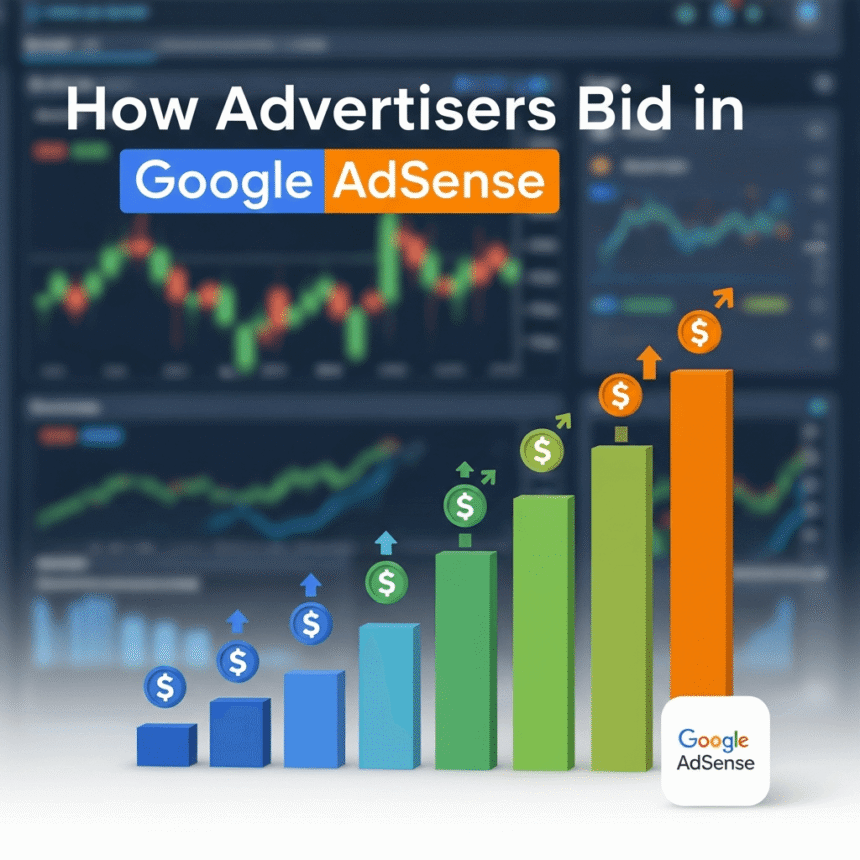
The moment a person lands on a webpage, an auction begins. While the page is still loading, the system looks at the available space and invites advertisers to compete for it. This happens so fast that nobody even notices. The goal of this auction is to find the best possible ad for that specific spot.
The winners of these auctions are not always the ones who offer the most money. Instead, the system looks for a balance between value and relevance.
Different Ways to Bid
Advertisers do not all use the same strategy when they join the auction. They choose a “bid type” based on what they want to achieve. Here are the most common ways they enter the race:
- Paying for Clicks: Many advertisers only want to pay when someone actually interacts with their ad. They set a maximum price they are willing to pay for a single click.
- Paying for Views: Some businesses just want people to see their brand. They bid based on every one thousand times their ad appears on a screen.
- Paying for Engagement: This is used for more interactive ads. An advertiser might bid based on someone hovering over an ad to expand it or watching a short video.
Quality Over Money
If the auction only cared about money, the internet would be full of expensive but boring ads. To prevent this, a “quality score” is used. This is a rating given to an ad based on how helpful it is to the person seeing it.
The system looks at three main things:
- Expected Clicks: How likely is it that people will find this ad interesting?
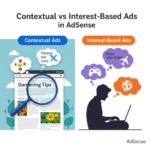
- Ad Relevance: Does the ad actually match the topic of the website it is appearing on?
- The Landing Page: If someone clicks the ad, is the website they land on easy to use and relevant to what was promised?
An advertiser with a lower bid but a very high quality score can often beat a competitor who is offering more money but has a low-quality ad.
Smart Pricing and Adjustments
The system also uses “smart pricing” to keep things fair. If the data shows that a click on a particular site is less likely to lead to a sale or a sign-up for the advertiser, the system might automatically lower the bid. This protects the advertiser and ensures they are getting a fair deal for the space they are buying.
Summary
The way ads are placed on websites is a complex but efficient system. It combines the financial bids of advertisers with the quality of their content to ensure that the ads you see are as relevant as possible. By balancing money and quality, the auction creates a space where businesses can reach their audience without overwhelming users with unrelated content.