

When you build a website, you want it to show up on the first page of search results. One of the biggest ways to make that happen is by getting other websites to link to yours. These are called backlinks.
However, not all links are good. Just like in real life, having the wrong “friends” can hurt your reputation. In the world of websites, these are called toxic backlinks. If you have too many of them, search engines might think your site is untrustworthy and hide it from people searching online.
Here is everything you need to know about spotting and avoiding these harmful links.
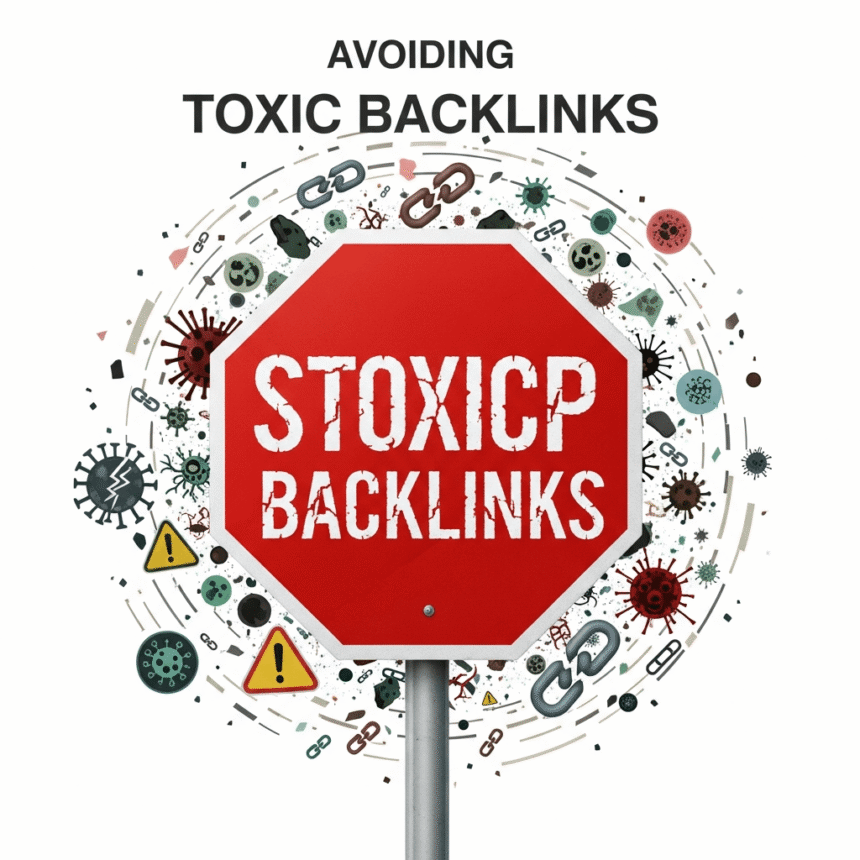
What Makes a Backlink Toxic?
A toxic backlink is a link that comes from a low-quality, spammy, or untrustworthy website. Search engines like Google want to see natural links that are earned because your content is helpful. Toxic links often look like “cheating.”
Common types of toxic links include:
- Link Farms: Websites that exist only to link out to thousands of other sites.
- Spam Comments: Links left in the comment sections of random blogs or forums.
- Malicious Sites: Websites that contain viruses or are used for scams.
- Irrelevant Sites: A link from a car repair shop to a cooking blog often looks suspicious if there is no logical connection.
How Toxic Backlinks Hurt Your Site
The main danger of toxic backlinks is a penalty. Search engines use smart programs to scan the web. If they see a pattern of bad links pointing to your site, they might decide that you are trying to “trick” the system.
This can lead to:
- Lower Rankings: Your website might drop from page 1 to page 10.
- De-indexing: In extreme cases, your website could be removed from search results entirely.
- Loss of Trust: Once your site is flagged as spammy, it takes a long time and a lot of work to gain that trust back.
How to Spot Them
You can use various online tools to check who is linking to you. When you look at your list of links, watch out for these red flags:
- Foreign Language Sites: If your site is in English but you have hundreds of links from sites in a language you don’t use, that is a bad sign.
- Mirror Sites: If several different websites use the exact same layout and content to link to you, they are likely part of a link network.
- High Spam Score: Many SEO tools give websites a “Spam Score.” If a site linking to you has a very high score, it is probably toxic.
How to Avoid Getting Them
The best way to handle toxic backlinks is to prevent them from happening in the first place. Here is how:
1. Never Buy Links
It can be tempting to pay someone on the internet who promises “5,000 backlinks for $10.” These are almost always toxic. Quality links cannot be bought in bulk.
2. Focus on Quality Content
When you write helpful, interesting, and original articles, people will want to link to you naturally. This is the safest way to build a strong reputation.
3. Monitor Your Site Regularly
Check your backlink profile at least once a month. If you see a sudden spike in links from weird websites, you can catch the problem before it causes damage.
What to Do if You Already Have Them
If you find bad links, don’t panic. You can use a tool provided by search engines called a Disavow Tool. This allows you to tell the search engine, “I know these links are here, but I don’t want them to count toward my site’s reputation.”
It is like telling a teacher that someone put a fake note in your backpack. Once you “disavow” the links, the search engine will ignore them when deciding where to rank your site.
Summary
Avoiding toxic backlinks is about playing the long game. While spammy links might seem like a quick shortcut to success, they usually lead to a dead end. By focusing on honest growth and keeping an eye on who is linking to you, you can keep your website healthy and successful for years to come.