

When most people think about Search Engine Optimization (SEO), they think about fixing things on their own website. They focus on using the right keywords, writing great blog posts, and making sure the site loads fast. This is called on-page SEO.
However, there is another half to the puzzle that is just as important. It is called off-page SEO.
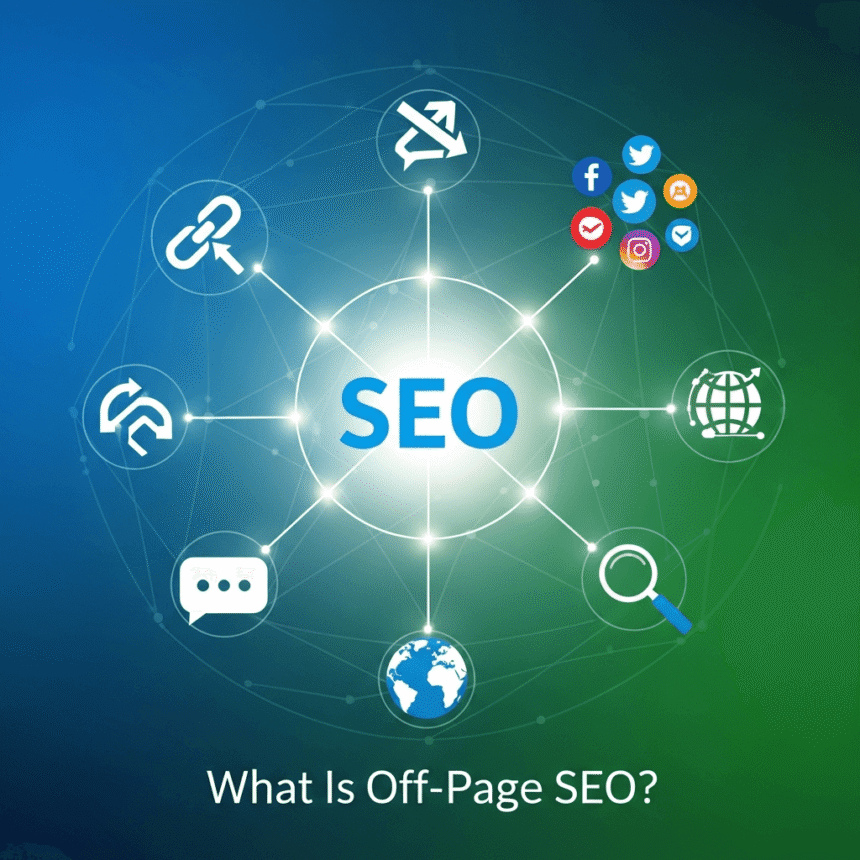
If on-page SEO is about what you do on your website, off-page SEO is about what happens away from your website to prove to search engines that you are a trusted authority.
Why Off-Page SEO Matters
Think of the internet like a giant popularity contest. Search engines like Google want to show the best, most reliable results to their users. To decide who is “the best,” they look for signals from the rest of the web.
If many other reputable websites are talking about you or linking to you, search engines assume your content is valuable. Without off-page SEO, your site is like a great book sitting in a library that nobody ever recommends. Even if the book is perfect, it won’t become a bestseller if no one talks about it.
The Power of Backlinks
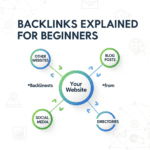
Backlinks are the foundation of off-page SEO. A backlink is simply a link from someone else’s website to yours. In the eyes of a search engine, a backlink is a “vote of confidence.”
Not all links are created equal, though. You should focus on two main things:
- Authority: A link from a major news site or a famous expert in your field is worth much more than a link from a tiny, unknown blog.
- Relevancy: If you run a cooking blog, a link from a food magazine is very helpful. A link from a car repair shop doesn’t make as much sense and won’t help you as much.
Beyond Just Links
Many people think off-page SEO is only about link building, but it includes anything that happens outside your site to build your brand. Here are a few other key areas:
1. Social Media Marketing
While social media “likes” and “shares” aren’t direct ranking factors, they are incredibly important. When your content goes viral on social media, it gets more eyes on your brand. This often leads to more natural links and more people searching for your name directly.
2. Content Marketing
Writing guest posts for other websites is a classic strategy. By providing a high-quality article to another site, you reach their audience and usually get a link back to your own site in return.
3. Local SEO and Citations
If you have a local business, appearing in directories like Yelp or Google Business Profile is vital. Having your name, address, and phone number consistent across the web tells search engines that you are a real, legitimate business.
4. Influencer Marketing
Partnering with influencers in your niche can help you reach a massive audience quickly. When an influencer mentions your product or service, it builds instant trust with their followers.
How to Start Your Off-Page Strategy
If you want to improve your off-page SEO today, you don’t need to be a technical expert. Start with these simple steps:
- Create “Link-Worthy” Content: The easiest way to get links is to create something so good that people want to share it. This could be an original study, a very helpful guide, or a unique infographic.
- Be Active in Communities: Join forums or groups related to your niche. Don’t just spam your links. Instead, answer questions and be helpful. People will naturally click on your profile to see what you do.
- Reach Out: If you mention a specific tool or person in your blog post, send them a quick email to let them know. They might share your post with their own audience.
Summary
Off-page SEO is all about building your reputation. It tells search engines that the world agrees your website is a top-tier resource. By focusing on building quality links, staying active on social media, and engaging with your community, you can climb the search rankings and bring more visitors to your site.