
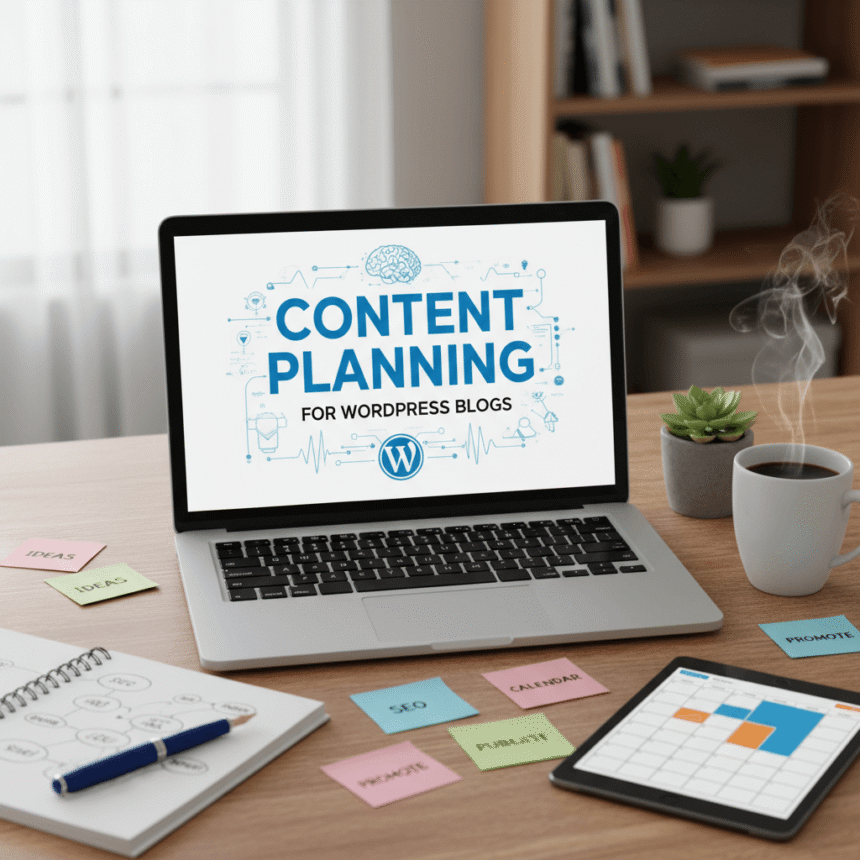

Running a successful WordPress blog is about more than just writing when you feel inspired. If you want to grow your audience and keep people coming back, you need a solid plan. Content planning helps you stay organized, ensures you never run out of ideas, and makes your blogging journey much smoother.
Here is a simple guide to help you master content planning for your WordPress site.
Understand Your Audience
Before you type a single word, you need to know who you are writing for. Ask yourself these questions:
- What problems does my audience have?
- What topics are they interested in?
- What kind of tone do they prefer? (Formal, funny, or helpful?)
When you understand your readers, your content becomes more valuable to them. Valuable content is what turns a one-time visitor into a loyal follower.
Brainstorming Topic Categories
Instead of thinking of random post ideas, start with “content buckets.” These are broad categories that relate to your blog’s main theme. For a WordPress blog, your buckets might include:
- How-to Guides: Step-by-step tutorials for beginners.
- Listicles: Lists of tools, tips, or resources.
- Case Studies: Sharing real-life results or experiences.
- News and Updates: Keeping readers informed about new WordPress features.
Having these categories makes it easier to brainstorm specific titles because you have a clear framework to work within.
Create a Content Calendar
A content calendar is a schedule of what you will publish and when. You don’t need fancy software for this; a simple spreadsheet or a WordPress plugin like Editorial Calendar will work perfectly.
Planning your calendar helps you:
- Be Consistent: Decide if you will post once a week or three times a week. Consistency tells your readers and search engines that your site is active.
- Balance Your Topics: You can see at a glance if you are posting too much of one category and not enough of another.
- Prepare for Holidays: You can plan special posts for events or seasons well in advance.
Research Keywords Simply
You want people to find your blog through search engines. To do this, you need to use the words and phrases people are actually typing into search bars.
You can use free tools or even just the search suggestions at the bottom of a Google page. Look for “long-tail keywords,” which are longer phrases like “how to plan blog posts for WordPress” instead of just “blogging.” These are often easier to rank for and bring in the right kind of visitors.
Outline Your Posts
Writing is much faster when you have a map. Before you start the full draft, write down your main headings. A good WordPress post usually follows this structure:
- Introduction: Hook the reader and explain what they will learn.
- Subheadings: Break the text into small, readable chunks.
- Conclusion: Summarize the main points.
- Call to Action: Tell the reader what to do next, such as leaving a comment or signing up for a newsletter.
Use WordPress Tools to Your Advantage
WordPress has built-in features that help with content planning. Use the Scheduled Post feature to write your content whenever you have time and set it to go live at a later date. This allows you to “set it and forget it,” ensuring your blog stays active even when you are busy.
By following these steps, you can take the stress out of blogging. A little bit of planning today leads to a much more successful WordPress blog tomorrow.