

If you are running a blog, you already know that high-quality content is what brings people to your site. However, once those visitors arrive, the way you arrange your advertisements can make a massive difference in your revenue. Strategic placement is not about tricking people into clicking; it is about finding the “sweet spot” where ads are visible but not annoying.
Here is a breakdown of how the position of your ads impacts your total earnings and what you can do to optimize your layout.
The Power of “Above the Fold”
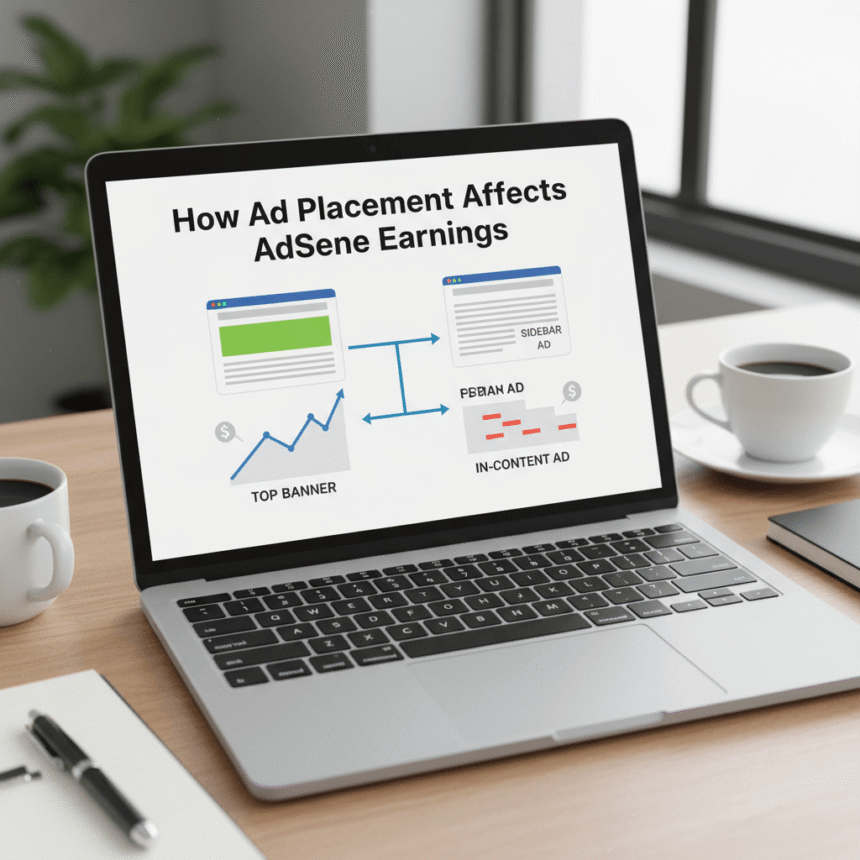
The term “above the fold” refers to the part of your website that is visible without any scrolling. This is the most valuable real estate on your page. Data shows that ads placed in this area generally have higher viewability because every visitor sees them as soon as the page loads.
However, there is a fine balance. If you put too many ads at the very top, visitors might feel overwhelmed and leave before they even start reading. The goal is to place a high-performing unit where it is noticed immediately without pushing your actual content too far down the screen.
In-Content Placements: Following the Reader’s Eye
As visitors start reading your post, their attention is focused directly on the text. This is why “in-content” ads are often the highest earners. Placing an ad unit after the first or second paragraph ensures that the reader sees it while they are most engaged.
Since the reader’s eyes are already moving across the page to follow your story, an ad placed naturally within the flow of the article feels less intrusive than a flashing banner on the side. These placements often lead to higher engagement because they appear right in the line of sight.
The Problem with Sidebar Blindness
For a long time, the sidebar was the go-to spot for advertisements. Today, many users have developed what experts call “banner blindness.” This means their brains have been trained to ignore anything on the far right or left of the screen, focusing only on the main content area.
If you use sidebar ads, consider making them “sticky.” A sticky ad stays fixed on the screen as the user scrolls down. This keeps the ad in view for a longer time, which can significantly increase the chances of a click compared to a static sidebar ad that disappears as soon as the reader moves down the page.
Mobile vs. Desktop View
A layout that looks perfect on a computer might be a disaster on a phone. On mobile devices, the screen is narrow, and users scroll quickly with their thumbs.
- Desktop: You have more horizontal space, allowing for wider banners and sidebars.
- Mobile: Vertical space is king. Large banners can take up the whole screen, which might lead to accidental clicks or a bad user experience.
Using responsive ad units is essential. These units automatically resize themselves to fit the device being used, ensuring that your ads look professional and perform well whether someone is on a laptop or a smartphone.
The Bottom Line: Balance is Key
The most successful bloggers treat their ad placements like a science experiment. If you place ads in a way that disrupts the reading experience, your bounce rate will go up, and your long-term earnings will suffer.
The most effective strategy is to place ads where the eye naturally rests:
- Under the main title.
- Within the first few paragraphs.
- At the end of the post, where readers are looking for “what to do next.”
By keeping your ads relevant and positioning them thoughtfully, you can maximize your revenue while keeping your audience happy and coming back for more.