

Starting a blog is an exciting journey. One of the most common ways to make your hard work pay off is by using an advertising network. While it is a great way to earn, there are strict rules you must follow to keep your account safe. If you break these rules, your account could be suspended or permanently banned.
To help you stay on the right track, here is a simple guide to the most important policies you need to know.
1. Never Click Your Own Ads
This is the most important rule. You might be tempted to click an ad to see if it works or to help your earnings grow, but you should never do it. Google has very smart systems that can tell if a click is coming from the owner of the site. Even if you are just testing, it is seen as “invalid activity.”
- Don’t click ads on your own site.
- Don’t ask friends or family to click them.
- Don’t use robots or automated tools to generate clicks.
The goal of the system is to ensure that clicks come from real people who are genuinely interested in the product or service being advertised.
2. Watch Your Traffic Sources
It is not just about what happens on your site, but also how people get there. Google wants your visitors to find you naturally through search engines, social media, or by typing in your web address.
Avoid using services that “guarantee” thousands of visitors for a small fee. These are often bots or low-quality traffic sources. If Google sees a sudden spike in traffic from suspicious places, they may stop showing ads on your site to protect their advertisers.
3. Follow Content Guidelines
Not every type of content is allowed to have ads next to it. To keep your account in good standing, make sure your blog does not contain:
- Adult content: This includes sexually explicit material or themes.
- Violence and Hate Speech: Content that promotes violence or uses derogatory language against groups of people.
- Illegal material: Anything related to hacking, pirated software, or illegal drugs.
- Copyrighted content: You must own the rights to the text and images on your site. Don’t just copy and paste from other websites.
A good rule of thumb: If you wouldn’t feel comfortable showing your site to a family member or a boss, it might be breaking a policy.
4. Be Careful with Ad Placement
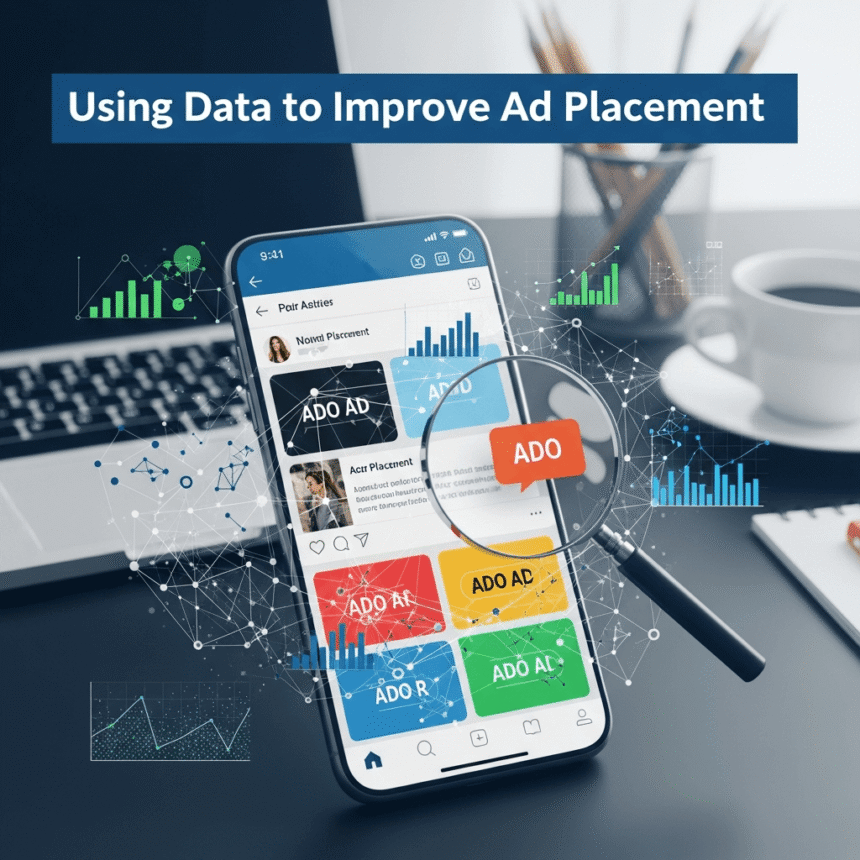
Where you put your ads matters just as much as what is in them. You should never try to “trick” a user into clicking an ad.
- Distinguish ads from content: Ads should be clearly labeled. Don’t format your text or images to look exactly like an ad so that people click it by mistake.
- Give them space: Don’t put ads too close to buttons, menus, or navigation links. If a user tries to click “Next Page” but hits an ad instead, that is a violation.
- Avoid “Click Here” labels: Never use arrows or text like “Support us by clicking this link” to draw attention to the ads.
5. Provide a Good User Experience
Google values websites that are helpful and easy to use. If your site is covered in so many ads that a reader cannot find the actual article, you are likely violating the “inventory value” policy.
Your content should always be the main focus of the page. Make sure your site loads quickly, works well on mobile phones, and provides real value to the reader. High-quality, original content is the best way to keep both your readers and the ad network happy.
Summary Checklist for a Safe Account
- Do not click your own ads.
- Write original, helpful articles.
- Keep ads away from navigation buttons.
- Only use “Advertisements” or “Sponsored Links” as labels.
- Do not buy fake traffic.
By following these simple steps, you can focus on growing your blog and building a sustainable income without the fear of losing your account.