

Finding the right keywords is the foundation of any successful website. Many people believe they need to spend hundreds of dollars on premium software to find what people are searching for, but that is simply not true. You can find high-traffic, low-competition keywords using free methods and a bit of creativity.
Here is a guide on how to find keywords without paid tools.
Start with Google Autocomplete
The most powerful tool for finding keywords is the Google search bar itself. When you start typing a topic, Google suggests phrases based on what real people are currently searching for.
For example, if you type “how to bake,” Google might suggest “how to bake sourdough bread” or “how to bake chicken breast.” These suggestions are gold mines because they represent actual search volume. To get more ideas, you can type a letter after your main topic, such as “how to bake a…” or “how to bake b…” and see what pops up.
Use the People Also Ask Section
After you perform a search on Google, look for a box titled People Also Ask. This section shows related questions that users are typing into the search engine.
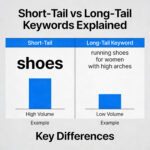
Each time you click on one of these questions, Google will generate more related questions at the bottom of the list. This is an excellent way to find long-tail keywords, which are longer phrases that are usually easier to rank for than short, broad terms.
Explore AnswerThePublic
AnswerThePublic is a great resource that takes your main seed keyword and turns it into dozens of questions. It visualizes what people are asking using “who,” “what,” “where,” “when,” and “why.”
While there is a paid version, the free version provides plenty of data for a single blog post or a small website. It helps you understand the intent of your audience, allowing you to write content that directly answers their problems.
Check Social Media and Forums
Reddit and Quora are two of the best places to find keywords that tools often miss. These platforms are where real people go to discuss their problems and ask for advice.
- Reddit: Find a subreddit related to your niche. Look for posts with a lot of comments. The titles of these posts are often the exact phrases people use when searching for help.
- Quora: Search for your topic and see which questions have the most followers. If a question has dozens of followers but only a few mediocre answers, that is a perfect keyword for you to target.
Use Keyword Surfer or Other Free Extensions
There are several free browser extensions that can provide data right inside your search results. Keyword Surfer is a popular choice. Once installed, it shows you the estimated monthly search volume for the term you just typed into Google. It also provides a list of related keywords in a sidebar on the right. This gives you a data-driven approach without requiring a monthly subscription.
Analyze Your Competitors for Free
You do not need fancy software to see what your competitors are doing. Go to a competitor’s blog and look at their most popular posts. Look at the headings they use. Often, their H2 and H3 tags are secondary keywords that they are trying to rank for. If you can write a better, more updated version of their article, you have a good chance of stealing some of that traffic.
Utilize YouTube Search
YouTube is the second largest search engine in the world. Just like Google, the YouTube search bar has an autocomplete feature. If your niche involves tutorials or “how-to” content, YouTube is often a better place to find keywords than Google. People on YouTube search for very specific instructions, which can give you great ideas for “step-by-step” blog posts.
Conclusion
Finding keywords does not have to be expensive. By using Google Autocomplete, checking forums like Reddit, and utilizing free extensions, you can build a massive list of topics to write about. The key is to focus on what your audience is actually asking and provide the best possible answer to their questions.